
Lijjat Papad Exporter & Distributor in Indonesia
Home > Lijjat Papad Exporter & Distributor in Indonesia
Lijjat Papad Exporter & Distributor in Indonesia: The Complete Trade and Sourcing Guide
Finding a dependable Lijjat Papad Exporter & Distributor in Indonesia has become a genuine priority for retailers, wholesalers, and Indian grocery businesses across the archipelago as demand for authentic South Asian snacks continues to climb. This guide walks through everything a serious importer needs to know, from understanding the product itself to navigating export documentation, pricing, packaging, and logistics, all the way to identifying which suppliers are actually built for long-term partnership rather than one-time transactions. Companies such as OM EXIM TRADERS have positioned themselves specifically around solving these sourcing challenges for Indonesian buyers, and we’ll explain exactly where that experience shows up across the supply chain.
What Is Lijjat Papad and Why It Matters to Indonesian Buyers
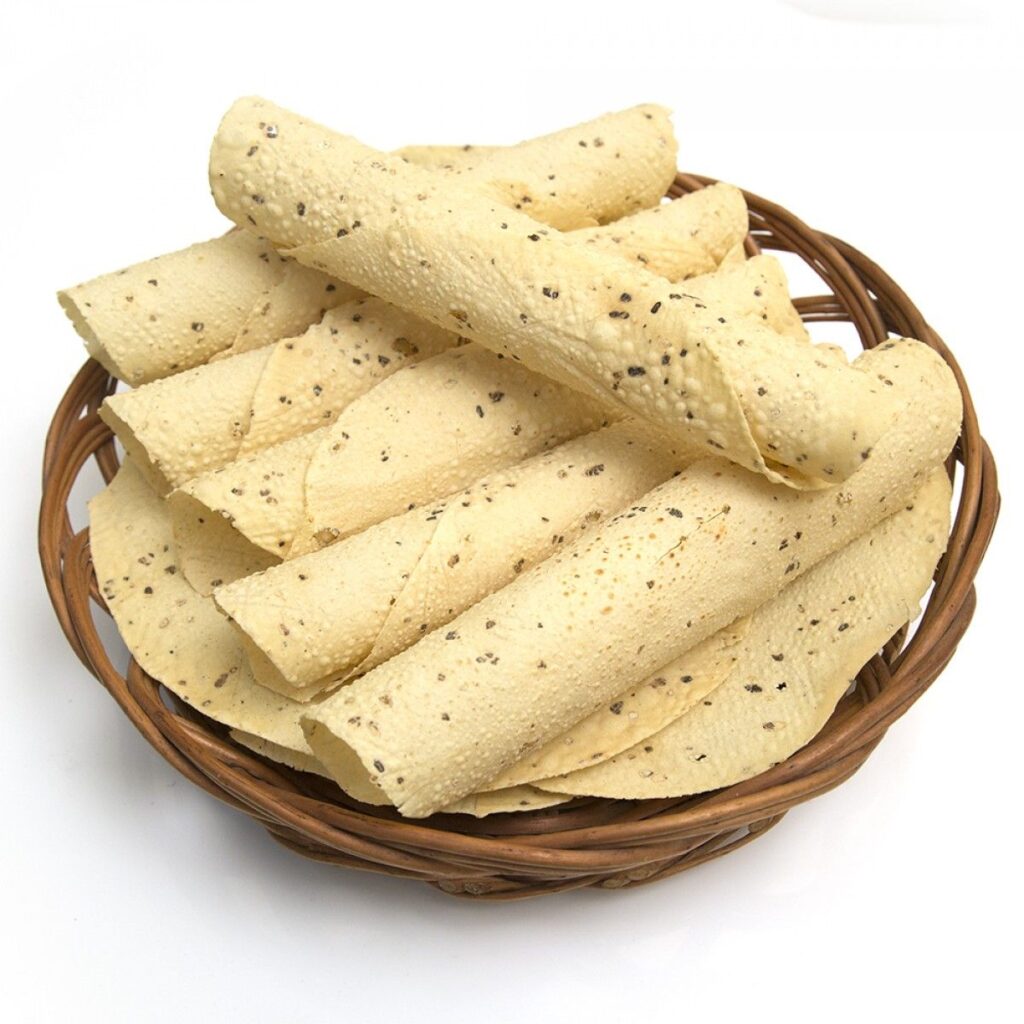
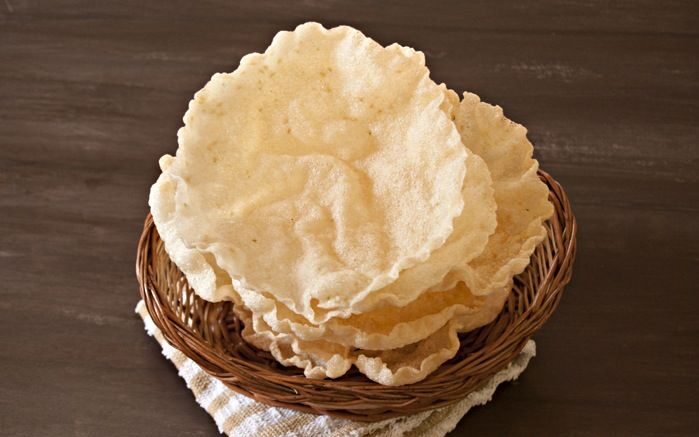
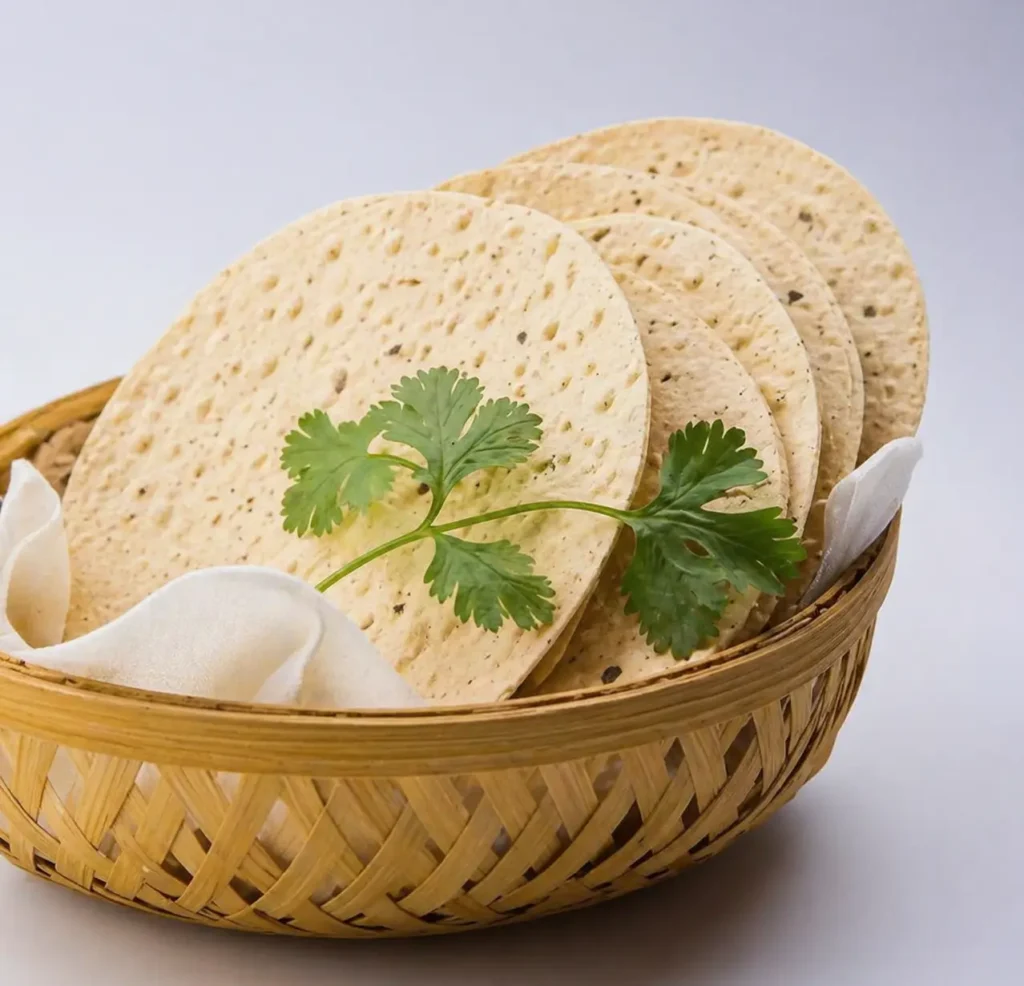
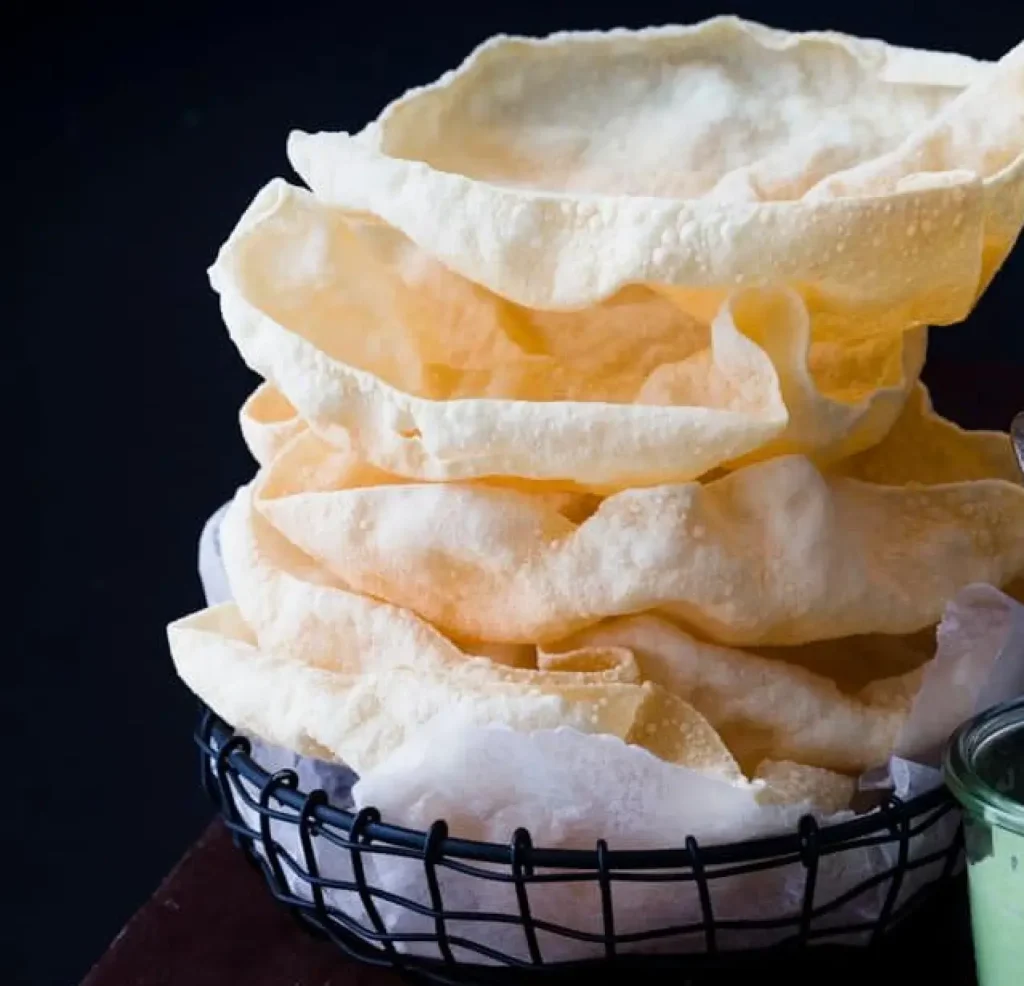
Papad is a thin, round, savory snack made primarily from urad dal (black gram flour), seasoned with spices such as black pepper, cumin, and chili, then sun-dried or machine-dried before packaging. Lijjat Papad specifically refers to papad produced under the cooperative model pioneered by Shri Mahila Griha Udyog Lijjat Papad, a women-led organization in India known for consistent quality and traditional preparation methods. The product is typically roasted or fried briefly before eating, and it serves as an accompaniment to rice, dal, or curry dishes, much the same way a cracker or flatbread might accompany a meal in other cuisines.
For Indonesian buyers, papad fits into a broader category of South Asian snack foods that has found a growing audience among the Indian diaspora, food enthusiasts, and restaurants offering Indian or fusion menus. Indonesia is home to a notable Indian-origin population concentrated in cities like Medan, Jakarta, and Surabaya, and this community represents a stable, recurring customer base for papad and related FMCG products. Beyond the diaspora market, Indonesian consumers exploring international cuisines have also developed an interest in papad as a gluten-conscious, protein-rich snack alternative, since lentil-based products fit well within evolving dietary preferences.
Core Product Characteristics Buyers Should Know
- Primary ingredient base — most papad varieties use urad dal, though moong dal, rice, and sago-based variants also exist for different texture and dietary preferences
- Long shelf life — properly packaged papad can remain shelf-stable for 9–12 months without refrigeration, making it ideal for sea freight export
- Lightweight, flat form factor — reduces shipping volume and cost compared to bulkier snack categories
- Multiple spice profiles — plain, black pepper, jeera (cumin), garlic, and chili variants cater to different regional taste preferences
- Gluten-free positioning — appeals to health-conscious Indonesian consumers exploring lentil-based snack alternatives
Brand authenticity matters a great deal in this category. Indian diaspora customers specifically seek out recognized brand names rather than generic alternatives, and that brand trust reduces the marketing burden on Indonesian retailers since the product effectively sells itself to its target audience. Authentic sourcing also protects against counterfeit or mislabeled products entering informal distribution channels, and established brands carry consistent manufacturing standards that vary far less batch-to-batch than unbranded alternatives. Understanding these product fundamentals is the first step toward sourcing correctly. A reliable Indian Papad Exporter Indonesia businesses can count on should explain these variations clearly and back every claim with documentation, since Indonesian import regulations require full transparency on ingredients, shelf life, and manufacturing origin.
Market Demand for Indian Snacks in the Indonesian Market
The demand curve for Indian snack products in Indonesia has been climbing for several interconnected reasons tied to retail diversification, e-commerce growth, and a maturing food service sector built around international cuisines. Indonesia’s position as Southeast Asia’s largest economy, paired with a sizable Indian-origin population and a fast-growing urban middle class curious about global food trends, makes it a logical growth market for FMCG exporters who previously focused only on the UAE, UK, or US.
This growth is being driven by the expansion of Indian restaurants and catering services across major Indonesian cities, which creates recurring B2B demand for authentic ingredients, alongside the growth of e-commerce grocery platforms that are making niche international products discoverable to a wider consumer base. Rising disposable income among Indonesia’s urban middle class is increasing willingness to try imported specialty foods, and there is also a growing health-conscious interest in lentil-based, protein-rich snack alternatives to fried, wheat-based options.
The buyer base itself is fairly varied. Indian grocery and specialty stores tend to buy smaller, frequent shipments and prioritize brand authenticity above price, while restaurants and catering businesses buy in bulk on a recurring schedule, prioritizing consistent pricing and dependable delivery timelines. General FMCG wholesale distributors remain the most price-sensitive segment, typically comparing several suppliers before committing, and online grocery and D2C platforms are increasingly stocking papad as part of broader “world foods” or “Indian pantry” categories.
Why Indonesia Imports Indian Papad Instead of Producing It Locally
A natural question for new entrants to this trade is why Indonesia, with its own capable food manufacturing sector, imports papad rather than producing a local equivalent. The short answer comes down to raw material availability, decades of manufacturing expertise concentrated in India, and the brand trust that comes with authentic sourcing.
Urad dal is not commonly cultivated in Indonesia, meaning local production would still require importing the core ingredient regardless. India is the world’s largest producer and consumer of pulses, giving its manufacturers decades of refined processing infrastructure, and Indian papad producers have developed precise moisture-control and drying techniques specific to this product category. Manufacturing at scale in India keeps production costs lower than any locally assembled small-batch alternative in Indonesia could realistically achieve.
There’s also a trade framework advantage supporting this import flow. India and Indonesia maintain active bilateral trade relationships under broader ASEAN-India trade frameworks, which have historically supported smoother customs processing for agricultural and processed food products. Established trade lanes mean freight forwarders and customs brokers on both sides have direct experience with this product category, and predictable trade policy reduces the compliance uncertainty that often discourages new FMCG import categories.
Product Quality and Export Standards for Lijjat Papad
Quality assurance is the single most important factor separating a credible exporter from a risky one. Export-grade papad must pass through several layers of quality control before it ever reaches an Indonesian port, starting with raw material sourcing and extending through hygienic processing, moisture content verification, and consistent spice blending across production batches. This includes verifying raw material purity to confirm urad dal or other lentil bases meet contamination standards, checking hygienic processing facility conditions through routine internal and third-party audits, testing moisture content to prevent mold growth during extended ocean freight transit, and running batch-level spice blending consistency checks to maintain uniform flavor across shipments.
Growing Vegan and Gluten-Free Market
The vegan and gluten-free food movement has exploded in the United States. Today, more than 10 million Americans identify as vegan, and millions more follow gluten-free diets due to health concerns like celiac disease or gluten sensitivity.
Makhana’s natural qualities—vegan, gluten-free, and nut-free—make it a dream product for this market. Unlike many other snack alternatives, makhana doesn’t require artificial processing to meet these dietary needs. Its plant-based protein content also positions it as a competitor to popular snacks like roasted chickpeas or edamame.
Retailers and distributors in the U.S. are capitalizing on this by stocking more bulk makhana in different packaging formats—family packs, single-serve pouches, and flavored varieties. Brands are also highlighting its clean-label advantage: no preservatives, no added gluten, no artificial ingredients.
Certifications and Compliance Buyers Should Verify
- FSSAI certification confirming the manufacturing facility meets Indian food safety regulations
- Halal certification, ideally recognized under Indonesia’s BPJPH halal assurance system, essential given the country’s Muslim-majority consumer base
- Certificate of origin, required for customs processing and applicable duty rate determination
- Certificate of analysis, detailing nutritional content, moisture levels, and shelf-life validation
Documentation gaps are a frequent source of shipment problems. Missing halal certification can result in customs holds or outright rejection at Indonesian ports, and incomplete ingredient declarations delay BPOM food safety clearance for first-time product registrations. Inconsistent documentation between invoice, packing list, and certificate of origin is the most frequent cause of customs holds overall, and buyers working with suppliers who proactively share this documentation avoid the majority of these delays entirely. A Best Papad Supplier Indonesia importers can rely on will provide this documentation proactively rather than waiting to be asked, since incomplete paperwork remains one of the most common causes of customs friction at Indonesian ports.
The Lijjat Papad Export Process from India Explained
Understanding the full export process helps buyers set realistic expectations around timelines and identify which parts of the process a quality exporter should already be managing on their behalf. The process typically moves through order confirmation, production or inventory allocation, quality checks, documentation preparation, freight booking, and finally customs clearance on the Indonesian side.
Step-by-Step Export Workflow
- Order confirmation and proforma invoice outlining quantities, pricing, and agreed payment terms
- Production planning or stock allocation depending on whether the order is fulfilled from existing inventory or a fresh production run
- Quality checks and export-grade packing into protective cartons designed for ocean freight handling
- Pre-shipment documentation preparation, including commercial invoice, packing list, and certificate of origin
- Freight booking with a forwarder and shipment departure from major Indian ports like Mumbai (Nhava Sheva) or Mundra
- Arrival at Indonesian ports such as Tanjung Priok (Jakarta) or Tanjung Perak (Surabaya), followed by customs clearance
Packaging and Labeling Requirements for Export
Packaging serves two purposes in this trade: protecting product integrity through a multi-week ocean voyage, and meeting Indonesian regulatory labeling requirements for imported food products. Papad is fragile and highly sensitive to humidity, so getting this step right materially affects whether product arrives in sellable condition.
On the protective side, this means using an inner moisture-barrier wrap to shield against humidity exposure during transit, rigid outer packets designed to prevent cracking or crumbling under stacking pressure, export-grade corrugated cartons rated for the handling conditions of container shipping, and desiccant packs within containers to manage humidity buildup during the multi-week voyage through tropical climates. On the compliance side, Indonesian regulations require the product name, ingredient list, and net weight to be displayed in Bahasa Indonesia, manufacturer details and country of origin to be clearly stated on packaging, an expiration or best-before date printed in a compliant format, and a BPOM registration number displayed once obtained, along with halal certification marks where applicable.
Pricing Strategy for Lijjat Papad in the Indonesian Market
Lijjat Papad Price in Indonesia is shaped by several layered cost components that buyers need to understand in order to evaluate quotations accurately and negotiate from an informed position rather than comparing headline numbers alone. Total landed cost includes the base ex-factory price in India, which varies by papad variant, lentil base, and spice composition, export packaging costs and inland freight to the port of loading, ocean freight charges to the Indonesian destination port plus marine insurance, Indonesian import duties, VAT, and customs clearance and handling fees, and finally domestic distribution costs once goods clear customs and move to the buyer’s warehouse.
How to Choose a Reliable Lijjat Papad Exporter
Selecting the right export partner is the single decision that most influences long-term success in this trade. Several criteria consistently separate dependable exporters from risky ones, and buyers who evaluate these systematically tend to avoid the costliest sourcing mistakes. Watch out for vague or evasive answers when asked about certifications or manufacturing source, reluctance to provide references from existing international buyers, pressure to commit to large orders without offering a trial shipment option, and inconsistent pricing quotes that change significantly without clear justification. By contrast, a trustworthy exporter is transparent and proactive about sharing FSSAI, halal, and certificate of origin documentation, willing to accommodate trial shipments and flexible order structuring for new buyers, built around established manufacturing relationships rather than opportunistic sourcing from varying producers, and responsive with clear communication during pre-sale negotiation, which tends to predict good service after the sale as well.
Evaluation Checklist for Indonesian Buyers
- Request documented references or evidence of prior shipments to Indonesia or similar Southeast Asian markets
- Confirm financial stability and production scale to avoid stockouts during demand spikes
- Verify packaging specifications match the humidity and handling demands of tropical ocean freight
- Assess flexibility on payment terms and willingness to adapt to your specific business model
The Role of FMCG Exporters in Bridging India-Indonesia Trade
FMCG exporters serve a function that goes well beyond simply shipping goods from one country to another. A capable FMCG Exporter India to Indonesia partner acts as a knowledge bridge, translating Indian manufacturing conventions into formats that satisfy Indonesian regulatory and consumer expectations. This includes vetting manufacturing partners and catching potential compliance issues before booking a shipment, advising buyers on realistic registration and certification timelines specific to Indonesian requirements, translating Indonesian market feedback back to Indian producers to refine product offerings over time, and absorbing risk on behalf of smaller importers who lack in-house international trade expertise.
This role matters especially for papad, since quality variance between papad manufacturers can be significant without proper vetting, and compliance missteps, like missing halal certification, can mean a shipment gets held or rejected entirely. Packaging expertise specific to humidity-sensitive products like papad isn’t universal across all FMCG exporters either, so smaller and mid-sized Indonesian importers benefit most from this bridging role given their typically limited in-house resources.
Why Choose OM EXIM TRADERS for Lijjat Papad Export to Indonesia
Among the various players in the India-Indonesia FMCG trade corridor, OM EXIM TRADERS has built a reputation as a dependable Indian Lijjat Papad Export Company Serving Indonesia, with an operating model centered around the priorities that matter most to international buyers. What sets the company apart is consistent sourcing from established manufacturing partners rather than opportunistic supplier switching, proactive documentation support covering FSSAI, halal certification, and certificate of origin requirements, export-grade packaging tailored to the humidity and handling conditions of the India-Indonesia shipping route, and flexible order structuring that allows new buyers to start with manageable trial shipments.
For first-time importers specifically, OM EXIM TRADERS helps buyers understand BPOM registration requirements before the first shipment departs India, provides clear, itemized cost breakdowns covering product, freight, insurance, and duties, offers guidance on Indonesian labeling compliance and translation coordination, and maintains responsive communication throughout the order lifecycle, not just during the initial sales conversation. As a Top Lijjat Papad Manufacturer & Supplier for Indonesia Importers, OM EXIM TRADERS represents the kind of Reliable Lijjat Papad Supplier for FMCG Importers in Indonesia that treats compliance and quality as foundational rather than optional, which is exactly what separates a long-term trade partner from a one-time transaction.
Frequently Asked Questions (FAQs) about Lijjat Papad Exporter & Distributor in Indonesia
Start by identifying a verified exporter who can supply FSSAI certification, halal certification, and certificate of origin, then initiate BPOM registration in parallel with arranging a trial shipment, since registration can take time and shouldn't delay your sourcing relationship.
The process includes order confirmation, production or stock allocation, quality checks, export packaging, documentation preparation, freight booking, ocean shipment of roughly two to three weeks, and Indonesian customs clearance involving BPOM and halal verification.
Bulk buyers typically source directly from established Indian exporters specializing in FMCG trade to Indonesia, such as OM EXIM TRADERS, rather than through informal resellers, since direct sourcing ensures better pricing, documentation, and consistency.
Pricing depends on product variant, order volume, and agreed Incoterms, since total landed cost includes ex-factory price plus freight, insurance, duties, and clearance fees. Requesting a detailed quotation broken down by these components is the best way to compare suppliers.
Yes, given Indonesia's halal assurance requirements under BPJPH, halal certification is strongly recommended and, in most retail and food service contexts, effectively necessary for market acceptance.
OM EXIM TRADERS works closely with buyers to provide the documentation and product information needed to support the BPOM registration process, helping streamline what can otherwise be a time-consuming first step for new importers.
Conclusion
Sourcing through a reliable Lijjat Papad Exporter & Distributor in Indonesia comes down to understanding the full chain: product quality and certification, export documentation, packaging suited for tropical transit conditions, realistic pricing structures, and a supplier relationship built on transparency rather than just the lowest quoted price. Indonesian buyers who vet these factors carefully, starting with trial shipments and scaling thoughtfully, consistently report fewer customs delays, more consistent product quality, and stronger long-term profitability than those chasing the cheapest available quote without due diligence. OM EXIM TRADERS continues to support this trade corridor by prioritizing the documentation, packaging, and communication standards that Indonesian importers actually need, making it a worthwhile partner to evaluate for businesses serious about building a sustainable papad and Indian FMCG import operation in the Indonesian market.
Order Now
+91 9040030306
info@omeximtraders.com