
Indian Food Export Market in UAE
Home > Indian Food Export Market in UAE
Indian Food Export Market in UAE: Complete Guide for Exporters, Suppliers & Wholesale Businesses
The Indian food export market in UAE has grown far beyond what most industry insiders expected even five years ago. Walk through the bustling aisles of a Lulu Hypermarket in Dubai or a Carrefour in Abu Dhabi, and the shelf space dedicated to Indian packaged foods, snacks, spices, and frozen products tells a story louder than any trade report. For food exporters, distributors, and wholesale businesses looking to build serious revenue in the Gulf, the UAE is not just a market — it is a launchpad.
This guide covers everything you need to know: why the demand is surging, what products are moving fastest, how the export process works, what regulations you must comply with, and how to find trustworthy partners in the region. Whether you are a seasoned Indian food exporter or someone just beginning to explore the food export business UAE, this article gives you the ground-level intelligence to move forward with confidence.
Overview of the Indian Food Export Market in UAE
The Indian food export market in UAE sits at the intersection of geography, diaspora, and genuine appetite for quality. The UAE imported food products worth over USD 12 billion in recent years, and Indian products make up a significant and growing share of that figure. Spices, rice, packaged snacks, frozen foods, lentils, flour, pickles, ready-to-eat meals — the category is wide and the demand is consistent.
What makes this market particularly attractive is its layered consumer base. You have Indian expats who grew up eating specific regional brands and actively seek them out abroad. You have Pakistani, Bangladeshi, Sri Lankan, and Nepali communities with overlapping food preferences. And increasingly, you have Emirati and Western consumers curious about Indian ethnic food — drawn in by the flavors, the health credentials of certain products, and the visible presence of Indian cuisine across UAE’s food culture.
The Indian food export market in UAE is not a niche. It is a mainstream commercial opportunity with stable repeat demand, multiple retail and distribution channels, and regulatory access that, while requiring preparation, is well-defined and navigable.
Growing Demand for Indian Snacks and FMCG Products
The UAE demand for Indian snacks continues rising rapidly. Products like bhujia, sev, khakhra, banana chips, chakli, mixtures, roasted snacks, and flavored namkeen have become household staples for many Indian families in the Gulf.
Indian FMCG export UAE categories are also witnessing growth through convenience-focused buying behavior. Consumers prefer packaged products that offer:
- Longer shelf life
- Familiar Indian taste
- Affordable pricing
- Easy storage
- Ready-to-consume convenience
Retail chains in Dubai and Sharjah actively source Indian packaged snacks because turnover is strong and customer loyalty remains high.
OM Exim Traders has successfully supported several distributors by supplying export-quality namkeen and packaged snack products tailored for Gulf consumers.

Why UAE is a Huge Opportunity for Indian Food Exporters
The UAE’s open economy, world-class ports, and status as a regional re-export hub give Indian food exporters a structural advantage that few other destination markets offer. Jebel Ali Port in Dubai is one of the busiest container ports in the world. Getting Indian products into UAE and then distributed across the broader GCC region — Saudi Arabia, Oman, Qatar, Kuwait, Bahrain — becomes logistically feasible in ways that simply are not possible with many other markets.
Beyond logistics, the UAE offers genuine commercial depth. It has a high per capita income, a large expatriate population that spends meaningfully on familiar food, and retail infrastructure — hypermarkets, ethnic grocery stores, e-commerce platforms — that is sophisticated enough to move volume quickly.
Expansion of Indian Grocery Stores in Dubai and Abu Dhabi
The number of Indian grocery stores in Dubai alone has multiplied steadily over the past decade. Areas like Bur Dubai, Meena Bazaar, Al Karama, and Deira are home to hundreds of grocery outlets and wholesale importers that specifically source Indian food products. Abu Dhabi’s Mohammed Bin Zayed City area tells a similar story.
These stores are not just retail endpoints. Many function as wholesale Indian food suppliers UAE, distributing to smaller retailers, restaurants, and catering businesses across each emirate. For Indian exporters, establishing a reliable relationship with even a handful of these wholesalers can create recurring, high-volume business that compounds over time.
Role of Indian Expats in UAE Food Demand
Around 3.5 million Indians live in the UAE, making them the largest expatriate community in the country. These are not temporary visitors — many have built lives, careers, and families in the UAE over decades. Their food preferences are specific, emotionally tied to home, and commercially powerful.
When an Indian family in Sharjah wants Haldiram’s bhujia, or a Telugu family in Dubai craves a particular brand of murukku, they will go to the store that stocks it. Retailers know this. Distributors know this. Smart exporters know this too. The Indian food export market in UAE is, in large part, a market shaped and sustained by this community.
Top Products in the Indian Food Export Market in UAE
Understanding what products drive the market is the foundation of any successful export strategy. The Indian food export market in UAE covers a wide range of categories, but some products consistently outperform others in terms of volume, margins, and repeat purchase rates.
Indian Spices Export UAE
Indian spices hold a position of particular strength. Cumin, coriander, turmeric, cardamom, red chili, garam masala blends, and biryani masala mixes are in constant demand. The Indian spices export UAE market benefits from the fact that Indian spices are genuinely superior in aroma and potency compared to many competing origins — this is recognized by consumers across nationalities.
For exporters, spice packaging matters enormously in UAE. Retail packs need Arabic labeling, clear shelf-life information, and FSSAI compliance. Bulk packs for food service and restaurant distribution have different but equally strict requirements.
Papad Export to UAE
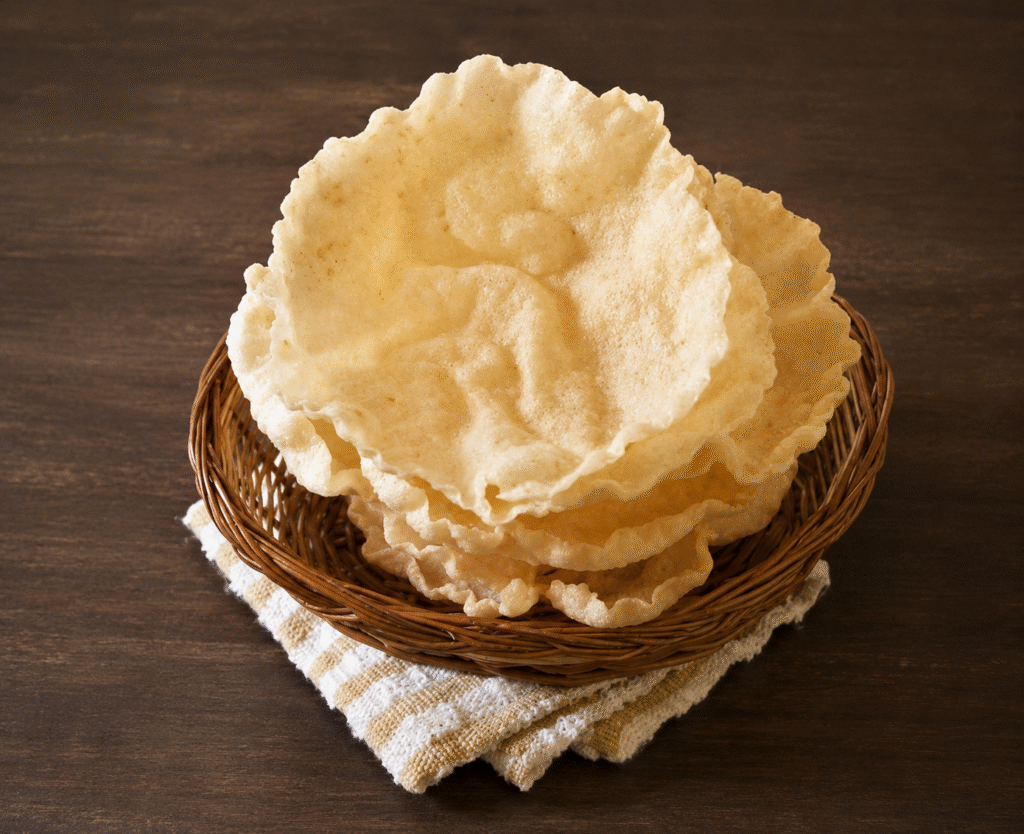
Papad export to UAE is a segment that many new-to-trade exporters underestimate. The product has mass appeal across the South Asian diaspora, a long shelf life, lightweight packaging (which reduces shipping costs), and strong margins. Both plain and flavored papad variants perform well.
Key buyers include Indian and Pakistani grocery stores, South Asian restaurants, and a growing number of mainstream supermarkets that carry Indian product ranges. Urad dal papad, moong dal papad, and masala papad are the leading varieties by volume.
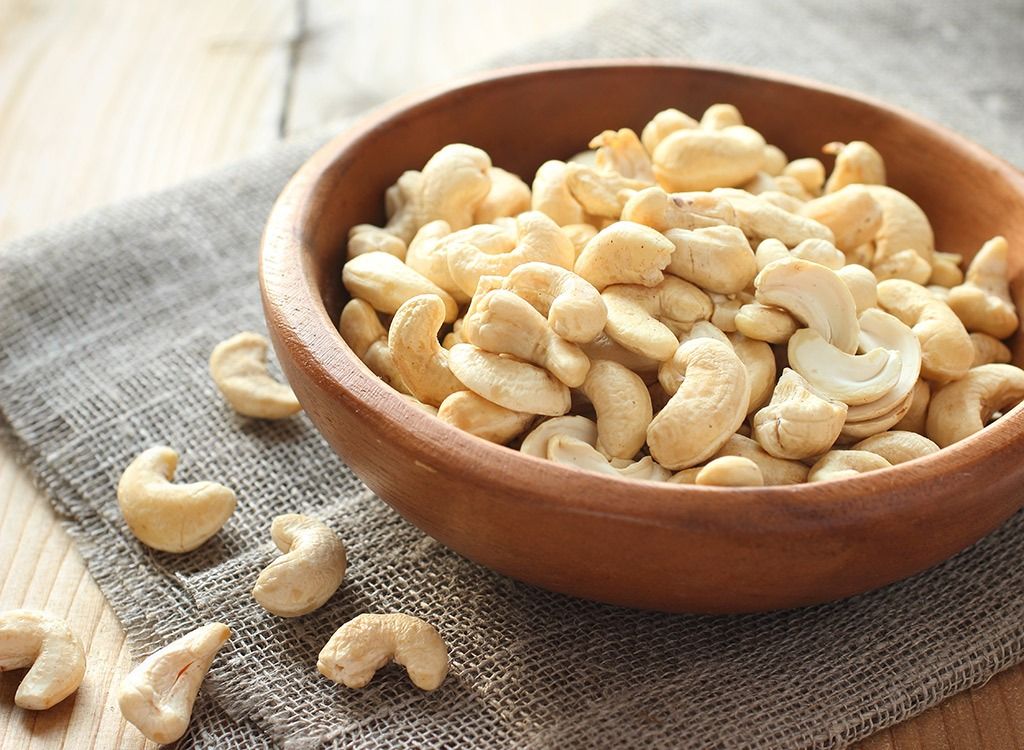
Namkeen Suppliers in UAE
The namkeen segment in UAE is competitive but highly rewarding for suppliers who can offer quality and variety. Namkeen suppliers in UAE typically stock products from well-known Indian brands — Haldiram’s, Bikaji, Balaji, and regional brands — alongside private-label or lesser-known manufacturers who compete on price.
Namkeen suppliers in UAE are constantly searching for fresh product varieties with attractive pricing and long shelf life.
Best-selling namkeen categories include:
- Aloo bhujia
- Ratlami sev
- Khatta meetha mix
- Chivda
- Corn snacks
- Roasted mixtures
The Indian packaged food market in UAE strongly favors snack innovation and regional flavors.
Packaged Food Export to UAE
Packaged food export to UAE covers a wide canvas: ready-to-eat meals, instant noodles, breakfast cereals, biscuits, pickles, chutneys, sauces, rice mixes, and health foods. The category has expanded significantly as Indian food technology improved and brands invested in packaging that meets international retail standards.
The Indian packaged food market in UAE is estimated to be growing at over 8% annually, driven by both expanding consumer demand and improving trade infrastructure. Retailers who have historically stocked only a few Indian items are now dedicating entire sections to Indian packaged food.
Indian Frozen Food Export UAE
Indian frozen food export UAE is perhaps the fastest-growing sub-category. Frozen parathas, frozen samosas, frozen dal makhani, frozen biryani portions — these products serve both retail consumers and the enormous food service sector in the UAE.
The UAE restaurant industry, heavily populated with Indian and South Asian eateries, represents a massive business-to-business market for frozen food exporters. As cold chain infrastructure in the UAE continues to improve, this segment is only going to expand.
Most Demanded Snack Categories
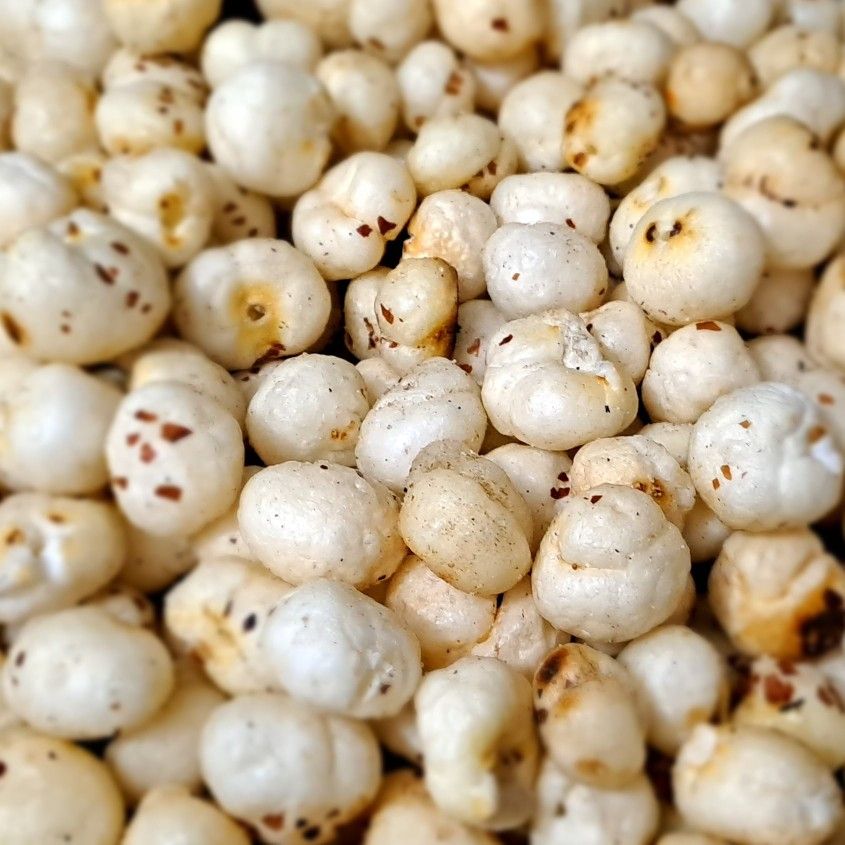
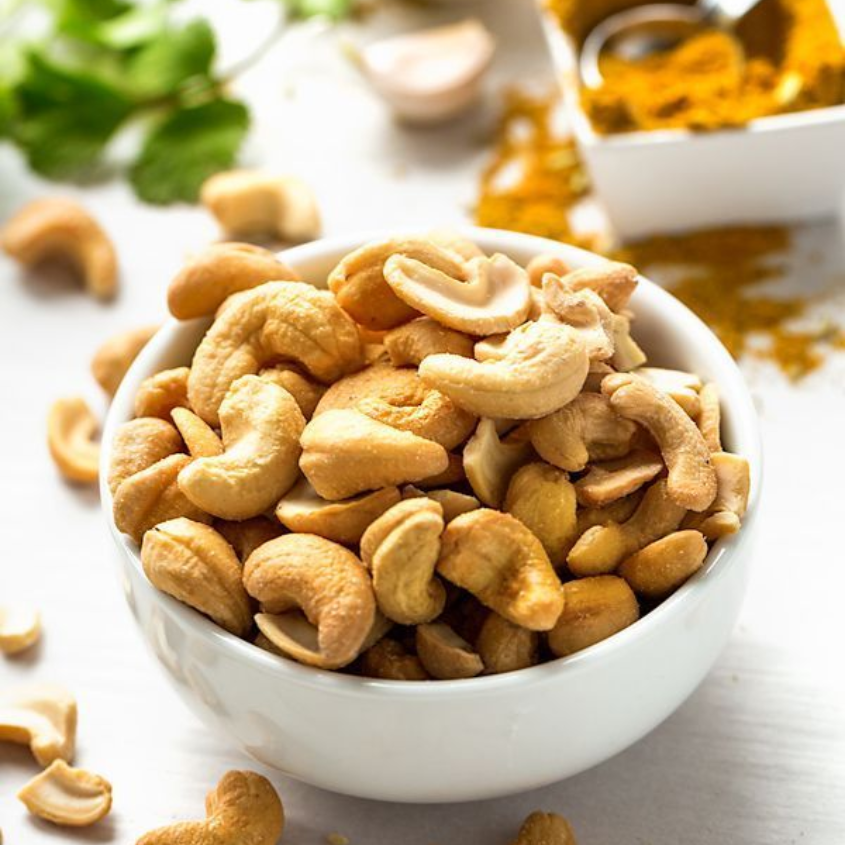
Based on trade data and distributor feedback, the top-selling Indian snack categories in UAE include: bhujia and sev mixes, chivda and poha-based snacks, roasted and coated peanuts, chakli and murukku, biscuits and cookies with Indian flavor profiles, and savory puffed rice products. Each of these has an established consumer base and consistent turnover.
Best-Selling Indian Brands in UAE
Haldiram’s, Bikaji, Parle, Britannia, MTR, MDH, Everest, Patanjali, and Aashirvaad are among the most recognized Indian brands in UAE retail. However, regional brands from Maharashtra, Gujarat, and Andhra Pradesh are also finding audiences — particularly in the restaurant and food service trade. Exporters who represent strong but less globally marketed brands can find genuine commercial space here.
Step-by-Step Process to Export Indian Food Products to UAE
Understanding how to export Indian food products to UAE is critical for anyone entering this trade. The process involves multiple agencies, compliance requirements, and documentation steps — but it is manageable once you understand the sequence.
Required Export Licenses
Indian exporters typically need:
- IEC Code
- FSSAI License
- GST Registration
- APEDA Registration (for applicable products)
- Company Incorporation Documents
Reliable Indian food exporters in UAE markets always maintain proper documentation before initiating shipments.
UAE Customs Rules for Food Import
UAE customs rules for food import are administered by the Federal Authority for Food Safety (FAFA) and emirate-level food safety departments. All food products entering the UAE must meet UAE.S food standards. HALAL certification is mandatory for meat and poultry products and highly recommended (practically required) for processed foods that will be sold in mainstream UAE retail. Non-halal certified products face significant retail restrictions.
Products must be registered on the UAE’s food import registration system prior to first shipment. Working with a local UAE food import agent or distributor who understands the current registration procedures significantly reduces delays.
Documents Required for Food Export to UAE
The documents required for food export to UAE typically include: commercial invoice, packing list, bill of lading or airway bill, certificate of origin from Indian Chamber of Commerce, FSSAI license copy, health certificate, halal certificate (where applicable), phytosanitary certificate (for agricultural products), and product label compliance declaration.
Some UAE buyers also require a COA (Certificate of Analysis) from an accredited laboratory. Having all of these prepared before your first shipment is not just good practice — it is essential to avoid customs hold-ups that can damage food products and business relationships alike.
Packaging and Labeling Standards
Packaging quality is non-negotiable in the UAE market. Products need to withstand Gulf climate conditions — heat, humidity — during storage and transport. Materials must be food-grade, tamper-proof, and suitable for the shelf life claimed.Packaging quality significantly influences buyer confidence.
UAE importers prefer packaging that is:
- Moisture resistant
- Durable
- Attractive
- Retail friendly
- Barcode enabled
Arabic Labeling Requirements
Arabic labeling is mandatory for many food categories in the UAE.
Labels generally must include:
- Product name
- Ingredients
- Manufacturing date
- Expiry date
- Country of origin
- Storage instructions
Shelf Life Regulations
UAE food safety regulations require that products have a minimum remaining shelf life of at least 50% — and in some cases more — upon arrival in UAE. Products that arrive close to their best-before date are rejected at customs. This means exporters need to coordinate manufacturing schedules and shipping timelines carefully to ensure UAE-bound products leave India with sufficient remaining shelf life.
UAE Food Import Market Trends in 2026
The UAE food import market continues to evolve rapidly. Understanding current and projected trends gives exporters the foresight to position their product portfolio for maximum commercial impact.
Current Consumer Demand
UAE consumers in 2026 are more health-conscious, more brand-literate, and more demanding about transparency than ever before. fresh, low-sugar, high-protein, and “clean label” Indian products are seeing accelerated adoption. Indian brands that have reformulated or launched health-oriented product lines are finding premium pricing opportunities in UAE retail.
At the same time, the mainstream snack and FMCG segment remains enormous and price-sensitive. Budget-conscious South Asian families form a large and consistent buying bloc that values value-for-money Indian products above premium positioning.
Indian FMCG Export UAE Growth
Indian FMCG export UAE has grown at a compound rate that outpaces many other food trade corridors. India’s improving manufacturing standards, better cold chain infrastructure, and increasing investment in export-ready packaging have all contributed. Government schemes under the Agricultural and Processed Food Products Export Development Authority (APEDA) have also provided financial and logistical support to exporters targeting Gulf markets.
The Indian food export market in UAE is expected to cross USD 2 billion in bilateral food trade by 2027, making it one of the most commercially significant bilateral food trade relationships in the region.
Dubai Food Import Business Opportunities
Dubai specifically offers unique food import business opportunities because of its dual role: a consumption market and a re-export hub. Products that enter Dubai’s Jebel Ali Free Zone can be distributed not just within UAE but across GCC, East Africa, and South Asia. For Indian food exporters with ambitions beyond just the UAE market, Dubai provides a strategic entry point into a much larger trade geography.
Food trading companies Dubai are actively sourcing Indian products — from commodity staples like rice and lentils to premium artisanal products — to meet the diverse needs of their retail and food service clients.
Future Growth Predictions
All market indicators point upward for the Indian food export market in UAE. Population growth in UAE, rising South Asian expat communities, increasing Indian food literacy among non-South Asian consumers, and the continued expansion of Indian restaurant culture globally all contribute to a long-term positive demand trajectory. Exporters who establish distribution relationships and brand presence now will be in a structurally advantaged position as the market matures.
Challenges in the Indian Food Export Market in UAE
The opportunity is real — but so are the challenges. Exporters who go in with eyes open about the difficulties are the ones who build sustainable businesses.
Competition in Dubai Wholesale Market
The Dubai wholesale food market is competitive. You are not just competing against other Indian exporters. You are competing against suppliers from Pakistan, Bangladesh, Sri Lanka, Thailand, and increasingly China — all of whom have product lines that partially overlap with Indian food categories. Price pressure is constant. Maintaining quality while staying commercially competitive requires disciplined sourcing, manufacturing, and logistics management.
Shipping and Logistics Issues
Shipping from India to UAE typically takes 5 to 10 days by sea, shorter by air. However, delays at Indian ports, documentation errors, and periodic congestion at Jebel Ali can extend timelines unpredictably. For perishable or time-sensitive products, these delays carry real financial consequences. Exporters need reliable freight forwarders and need to build buffer time into their delivery commitments.
Shipping costs from India to UAE fluctuate with global freight markets. The post-2021 period saw significant cost increases. Planning export pricing with conservative freight cost assumptions is prudent practice.
How OM Exim Traders Supports Food Export Businesses
OM Exim Traders has established itself as a dependable player in the Indian food export market in UAE, specifically focused on delivering high-quality bulk Indian snacks, namkeen, papad, and FMCG products to wholesale buyers and distributors across the Gulf.
Bulk Indian Snacks Supplier Dubai
As a bulk Indian snacks supplier serving Dubai and the broader UAE market, OM Exim Traders works directly with manufacturers across India’s leading snack-producing regions — Gujarat, Rajasthan, and Maharashtra — to source products that meet export quality standards, UAE labeling requirements, and the specific demand profiles of UAE buyers.
The ability to consolidate multiple product categories into a single shipment — namkeen, papad, spices, and packaged snacks together — reduces logistics costs for buyers and simplifies procurement.
Export Quality Indian Snacks
Every product that OM Exim Traders ships carries proper FSSAI documentation, product testing reports, and compliant Arabic labeling. Halal certification is arranged for all applicable products. The company’s approach is built on transparency: buyers know exactly what they are getting, at what specification, and with what compliance documentation.
For UAE businesses looking to establish a reliable supply chain for Indian snacks and packaged food, OM Exim Traders offers the combination of product range, documentation support, and export experience that reduces risk and builds confidence.
Trusted Indian Food Exporter UAE
The Indian food export market in UAE rewards suppliers who treat compliance as a competitive advantage rather than a box-checking exercise. OM Exim Traders understands that a single documentation error can hold up an entire shipment — and that UAE buyers have alternative suppliers ready to step in when deliveries fail. This understanding drives a meticulous approach to every shipment.
Buyers who have worked with OM Exim Traders across multiple seasons consistently cite reliable delivery timelines, consistent product quality, and responsive communication as the primary reasons for continuing the relationship.
Future of the Indian Food Export Market in UAE
The Indian food export market in UAE is entering its most dynamic phase. Several structural factors will shape the next five to ten years.
India’s food processing sector is attracting record investment, improving product quality and packaging standards at scale. The UAE-India Comprehensive Economic Partnership Agreement (CEPA), signed in 2022, reduced or eliminated tariffs on many food product categories — a structural trade advantage that is still being fully absorbed by the market.
The rise of Indian food delivery platforms in UAE, the growth of Indian-run cloud kitchens, and the mainstreaming of Indian cuisine in UAE’s hospitality sector all increase demand for Indian food ingredients, semi-processed products, and branded packaged goods. The Indian food export market in UAE will be driven not just by nostalgic diaspora demand but by genuine culinary adoption across cultures.
Exporters who invest now in UAE market relationships, regulatory compliance, and brand presence will find themselves positioned at the front of a trade corridor that is growing in both volume and value. The profitable food export business in Dubai is not a future possibility — it is a present reality for those prepared to engage it seriously.
Why Buyers and Exporters Trust OM Exim Traders
OM Exim Traders has been active in the Indian food export market in UAE with a clear purpose: to provide buyers with reliable access to quality Indian food products, and to help Indian manufacturers reach Gulf markets without the documentation and logistics burden that often prevents small and mid-sized producers from exporting.
Every product is sourced from FSSAI-certified manufacturers. Every shipment is accompanied by complete compliance documentation. Every buyer receives honest timelines and proactive communication when delays occur. This is not a standard the company aspires to — it is the standard it operates to, every day.
The Indian food export market in UAE rewards reliability above all else. OM Exim Traders has built its business on exactly that.
Ready to Start Your Food Export Journey to UAE?
If you are a UAE-based buyer looking for a reliable Indian food exporter, or an Indian manufacturer looking to enter the UAE distribution market, reach out to OM Exim Traders today.
Contact OM Exim Traders for export inquiries, wholesale pricing, product samples, and full compliance documentation.
Send your inquiry with your product requirements, target volume, and destination emirate — and expect a response within 24 business hours.
Frequently Asked Questions (FAQs) about Indian Food Export Market in UAE
The Indian food export market in UAE is valued in the hundreds of millions of USD annually and is growing at approximately 8–10% per year, driven by diaspora demand, retail expansion, and the UAE's role as a GCC re-export hub.
Key documents include a commercial invoice, packing list, bill of lading, certificate of origin, FSSAI license, health certificate, halal certificate (where applicable), and compliant Arabic product labels.
Halal certification is mandatory for meat and poultry products. For packaged and processed food, it is not always legally required — but practically necessary for mainstream UAE retail distribution. Most serious buyers require it.
Look for suppliers with FSSAI certification, Gulf export experience, verifiable references from UAE buyers, and willingness to share laboratory analysis and halal documentation. Trade platforms, Gulfood exhibitions, and direct referrals from UAE distributors are effective sourcing channels.
Products must meet UAE.S food standards, carry compliant Arabic labels, have sufficient remaining shelf life, and be registered with UAE food safety authorities. Halal certification is required for meat products and strongly recommended for processed food.
Sea freight from major Indian ports to Jebel Ali typically takes 5 to 10 days. Air freight is faster (1–2 days) but significantly more expensive and generally reserved for high-value or time-sensitive shipments.
Yes. Small manufacturers who hold FSSAI certification and IEC can export to UAE, often by working with an experienced export house or trading company like OM Exim Traders that handles documentation, logistics, and buyer relationships.
There is no regulatory minimum order quantity set by either Indian or UAE authorities. However, commercially, most UAE wholesale importers expect full container loads (FCL) or at least a less-than-container load (LCL) shipment of meaningful volume — typically starting from 500 kg to 2 MT per product line. Smaller trial orders are possible through consolidation services, which allow multiple product categories to be combined into a single shipment. For first-time buyers testing a new supplier relationship, a consolidated trial shipment is a practical and lower-risk way to begin.
Certain categories face restrictions rather than outright bans. Products containing prohibited food additives under UAE.S standards, alcohol-based ingredients, or non-halal animal-derived components cannot enter mainstream UAE retail. Some agricultural commodities — like certain varieties of rice and wheat — have been subject to periodic Indian government export restrictions based on domestic supply conditions. Exporters must verify current DGFT export policy notifications before finalizing any shipment, as these restrictions can change with limited advance notice and can affect pricing and availability significantly.
Having a local UAE distributor is not just helpful — for most product categories, it is practically essential. UAE customs requires an in-country importer of record. Beyond the regulatory need, a local distributor brings market knowledge, established retailer relationships, and the ability to handle last-mile logistics across the seven emirates. Trying to manage UAE distribution remotely from India, without a trusted local partner, leads to slower market penetration, compliance gaps, and missed commercial opportunities. The Indian food export market in UAE rewards exporters who invest in building strong, long-term distributor relationships rather than transactional, one-off arrangements.
Conclusion
The Indian food export market in UAE represents one of the clearest commercial opportunities available to Indian food exporters, manufacturers, and wholesale suppliers. The demand is established, the distribution infrastructure is mature, the regulatory pathway is defined, and the buyer community is active and growing.
Whether you are looking to export Indian spices, papad, namkeen, frozen food, or packaged FMCG products, the UAE market offers real revenue potential backed by genuine consumer demand. But success requires preparation: the right certifications, the right packaging, the right import partners, and the right approach to compliance.
OM Exim Traders welcomes exporters, distributors, retailers, and wholesale buyers looking to engage seriously with the Indian food export market in UAE. With a product range spanning bulk snacks, namkeen, papad, and FMCG products — and a proven track record of export-quality delivery to Gulf markets — the company is ready to support your business growth.
Order Now
+91 9040030306
info@omeximtraders.com