Private Label Makhana Manufacturer for USA Brands
Home > Private Label Makhana Manufacturer for USA Brands
Private Label Makhana Manufacturer for USA Brands — Complete Buyer's Guide
A private label makhana manufacturer for USA brands like OM Exim Traders can handle sourcing, roasting/popping, flavoring, and packaging fox nuts under a client’s own brand name. This allows snack brands, retailers, and distributors to launch their own makhana product line without investing in a manufacturing facility. For USA-focused brands, working with an experienced supplier such as OM Exim Traders can simplify sourcing and bulk procurement through a dedicated wholesale supply process. You can also learn more about their wholesale makhana supply for the United State.
What Is Private Label Makhana Manufacturing?
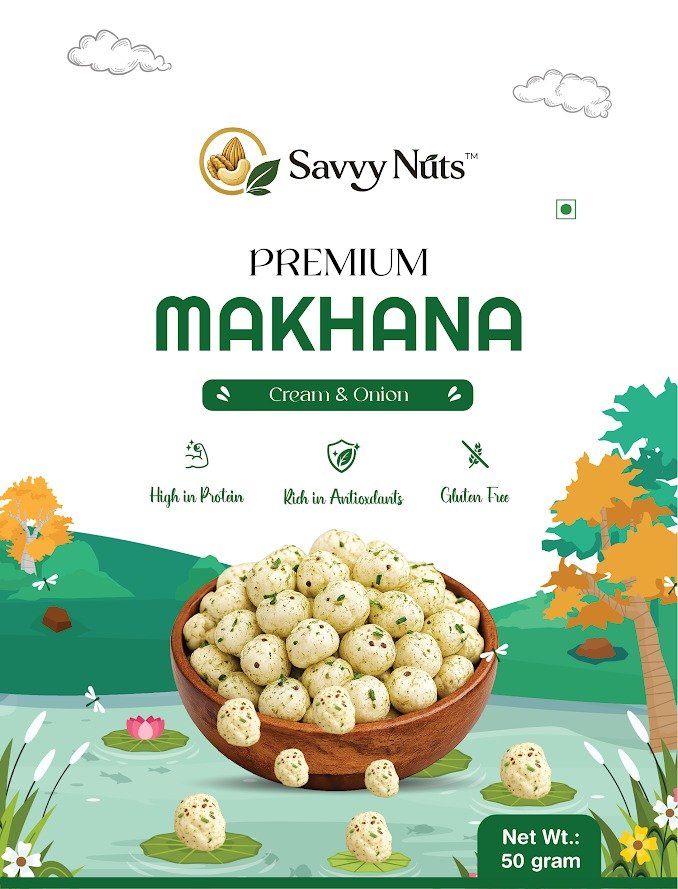
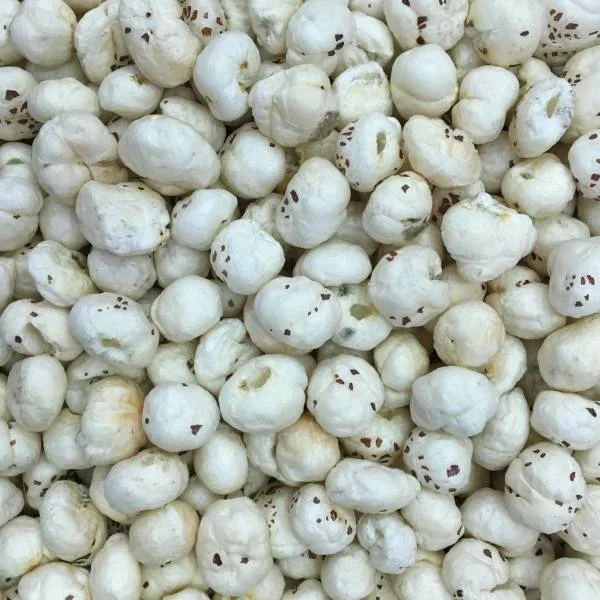
Private label makhana manufacturing means a manufacturer produces fox nuts (popped lotus seeds, botanically Euryale ferox) to a buyer’s specifications — flavor, size grade, packaging design, and nutrition labeling — and the finished product ships under the buyer’s own brand. The manufacturer stays behind the scenes; the US brand owns the customer relationship, the shelf presence, and the pricing strategy.
How Is This Different from Reselling or Building Your Own Factory?
This is different from buying an existing branded product and reselling it (distribution), and different from designing your own product from scratch with no manufacturing partner (vertical integration), which requires far more capital and time. Private label sits in between — you control the brand and recipe direction, the manufacturer controls production.
A Quick Example
A US snack startup wanting to launch a “protein puff” style makhana snack doesn’t need to build a popping and roasting facility. Instead, it briefs a manufacturer on flavor and format, approves samples, and focuses its own resources on branding, retail negotiations, and marketing — the parts of the business that actually build customer loyalty.
Why Are US Brands Turning to Private Label Makhana?
The US Health-Snack Market Shift
Makhana has moved from a niche Indian snack to a mainstream US health-food category because it is naturally gluten-free, low-calorie, and high in plant protein — fitting directly into the clean-label and functional-snacking trend that’s grown across US grocery, e-commerce, and specialty retail channels over the past few years. Category data from US health-snack retailers shows puffed and popped snacks (popcorn, puffed lentils, puffed lotus seeds) growing faster than traditional chip categories, largely on the back of protein and fiber claims.
Who Benefits Most from This Model
Private label lets a brand enter this category fast: instead of a 12–18 month R&D and factory-build cycle, a brand can go from concept to shelf-ready product in roughly 3–4 months by partnering with an established manufacturer that already has the sourcing, processing, and compliance infrastructure in place. This matters most for two buyer types: snack startups that need to move fast on a trend window, and established food/beverage brands adding makhana as a line extension without diverting their existing production capacity.
Private Label vs White Label vs Contract Manufacturing — What's the Difference?
These three terms get used interchangeably, but they aren’t the same, and picking the wrong model affects both cost and how much control you have over the final product.
What Is White Label Makhana?
White label means the manufacturer already has a finished, standard product (a set flavor and packaging format), and multiple buyers simply put their own label on the same base product. It’s the fastest and cheapest way to enter the market, but you get little to no customization — you’re buying what’s already on the production line, and often the same product a competitor is also selling under a different name.
What Is Contract Manufacturing?
Contract manufacturing (also called co-packing) is the most flexible model: the manufacturer produces to your exact formulation, flavor, and packaging spec, often exclusively for you, with no shared product line. This is what most growing snack brands actually mean when they say “private label” — full customization, but with a higher MOQ and longer setup time than white label.
Side-by-Side Comparison
Here’s how the three models compare across the factors that matter most when choosing one:
| Factor | White Label | Private Label | Contract Manufacturing |
| Customization | None (existing product) | Flavor, packaging, branding | Full formulation + exclusivity |
| Typical MOQ | 100–300 kg | 500–1,000 kg | 1,000+ kg |
| Setup Time | 1–2 weeks | 6–8 weeks | 8–12 weeks |
| Best For | Fast market testing | Growing snack brands | Established brands scaling up |
| Exclusivity | Shared with other buyers | Usually exclusive per flavor | Fully exclusive |
Which Model Should You Choose?
A useful way to decide: if you’re testing US market demand before committing budget, white label is the lower-risk entry point. If you already have brand identity and retail interest lined up, private label / contract manufacturing is worth the longer setup because it protects your product from being sold identically by a competitor.
There’s also a hybrid path some brands use: starting on a white label base flavor to get product on shelf quickly, then transitioning that same retail relationship to a fully custom private label formulation once initial sales data validates demand. This reduces upfront risk while still building toward full brand ownership of the recipe and packaging.
How Does Private Label Makhana Manufacturing Work? (Step-by-Step Process)
The end-to-end process from first inquiry to a container landing in a US warehouse typically follows six stages:
The 6-Step Production Process
Step 1 — Product Briefing
You share flavor direction, packaging size, target retail price, and any certification requirements (non-GMO, kosher, allergen-specific, etc.). A clear brief at this stage shortens the entire timeline — vague briefs are the single biggest cause of sample revisions.
Step 2 — Sample Development
The manufacturer sends 2–3 flavor/format samples, usually within 10–15 days, for approval or revision. Most brands go through 1–2 rounds of revision before locking a final formulation.
Step 3 — Formulation Lock & Costing
Once a sample is approved, final costing (FOB/CIF/DDP) and production timeline are confirmed in writing, typically as a pro-forma invoice.
Step 4 — Packaging & Label Design
Your artwork is applied to pouches or containers; nutrition facts panels are finalized to meet FDA labeling rules, including allergen statements and serving size disclosures.
Step 5 — Production Run
Bulk production begins, typically 15–20 days depending on order size, with quality checks on moisture content and pop ratio at each batch — moisture above 8–10% significantly shortens shelf life, so this check matters more than most new buyers realize.
Step 6 — Shipping & Documentation
Commercial invoice, packing list, certificate of origin, and FDA Prior Notice are prepared before the container ships, with sea freight to US ports taking roughly 25–40 days depending on origin and destination port.
Realistic End-to-End Timeline
Most brands should plan for 90–120 days from first briefing call to product actually available for sale in the US — faster is possible with white label, slower is common if additional dietary certifications are involved.
What's the MOQ for Private Label Makhana?
MOQ by Manufacturing Model
MOQ depends on the manufacturing model. White-label orders can start as low as 100–300 kg since the base product already exists, while true private-label or contract manufacturing—where flavor profiles and packaging are custom-built—typically starts at 500–1,000 kg per SKU. For brands planning larger orders, per-unit pricing can become more competitive at 1,000+ kg or full-container volumes. If you’re unsure which MOQ or manufacturing option best fits your USA brand, you can contact OM Exim Traders to discuss your product requirements and order quantity. Contact OM Exim Traders.
Starting with a Trial Order
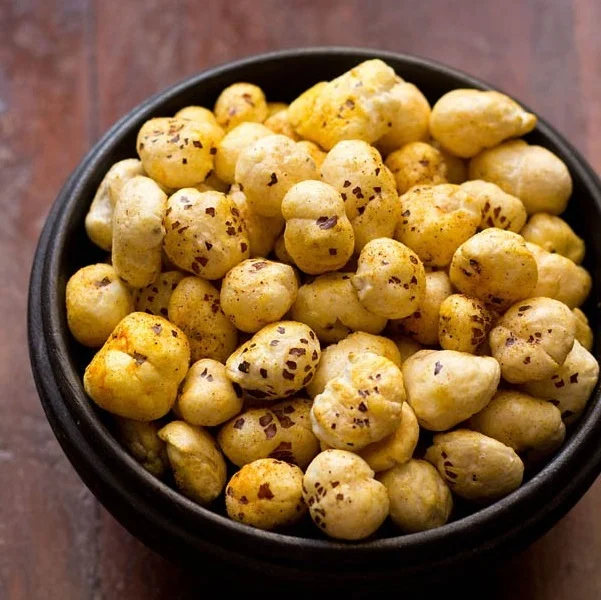
Brands testing a new market often start with a smaller trial order on one flavor — for example, 500 kg of a single peri peri SKU — before scaling to a full 3–4 flavor product line once initial sell-through data comes in from early retail or e-commerce sales.
What Certifications Should a Private Label Makhana Manufacturer Have?
Before signing with a manufacturer, confirm these are in place — missing documentation is one of the most common reasons shipments can face delays at US customs, sometimes for weeks, which can be costly if you already have a retail launch date committed. OM Exim Traders provides access to its export licenses and certifications, allowing prospective USA buyers to review the company’s available documentation before moving forward. View OM Exim Traders Documents & Certifications.
Required Certifications Checklist
- FDA Food Facility Registration — required for any facility exporting food to the US, renewed every two years
- FDA Prior Notice filed before each shipment departs, confirming what’s arriving and when
- HACCP (Hazard Analysis Critical Control Points) certification for food safety management across the production process
- ISO 22000 certification for broader food safety management systems
- FSVP (Foreign Supplier Verification Program) compliance — technically the US importer’s responsibility, but the manufacturer should be able to support the required documentation
- Non-GMO/kosher/allergen-specific certification where applicable, matched to whatever claims appear on your final packaging
How to Verify a Manufacturer's Certifications
A practical check: ask the manufacturer for their FDA registration number and most recent HACCP audit certificate before placing a deposit. A manufacturer that can’t produce these quickly is a red flag, regardless of how competitive their pricing looks. It’s also worth confirming how often the facility undergoes third-party audits — annual HACCP recertification is standard, and a manufacturer several years out of date on their audit cycle is worth questioning further before committing to a large order.
Can You Customize Flavor, Packaging, and Branding?
Yes — this is the core value of going the private label route instead of white label.
Flavor Customization
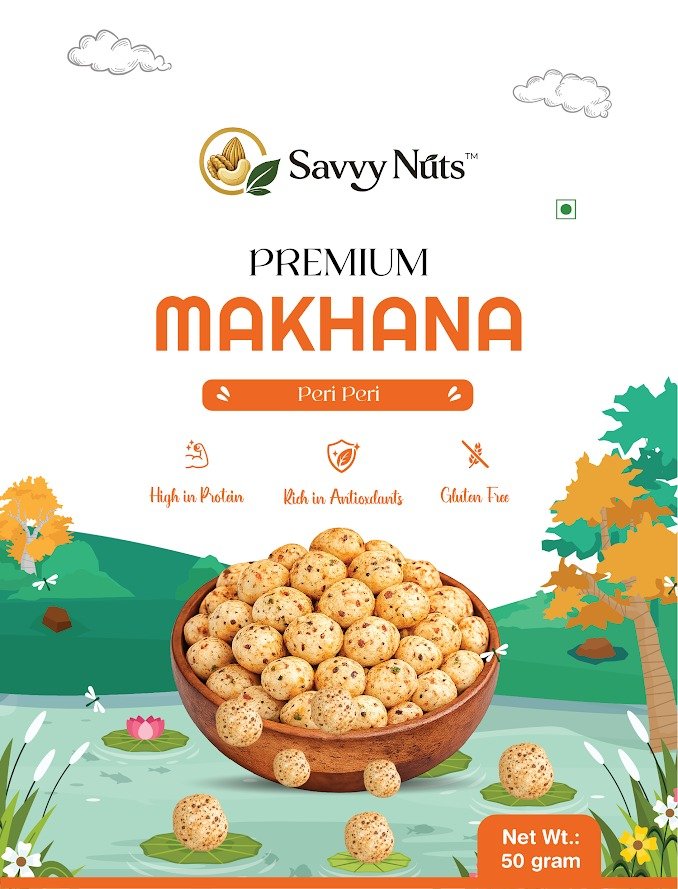
Flavor customization typically covers roasted/seasoned profiles (peri peri, cheese & herb, chili lime, cinnamon, etc.), sweetness or spice level adjustments, and lightly salted or plain roasted variants. Some manufacturers can also develop a genuinely new flavor concept from a brief alone, though this adds 2–3 weeks to the sampling stage.
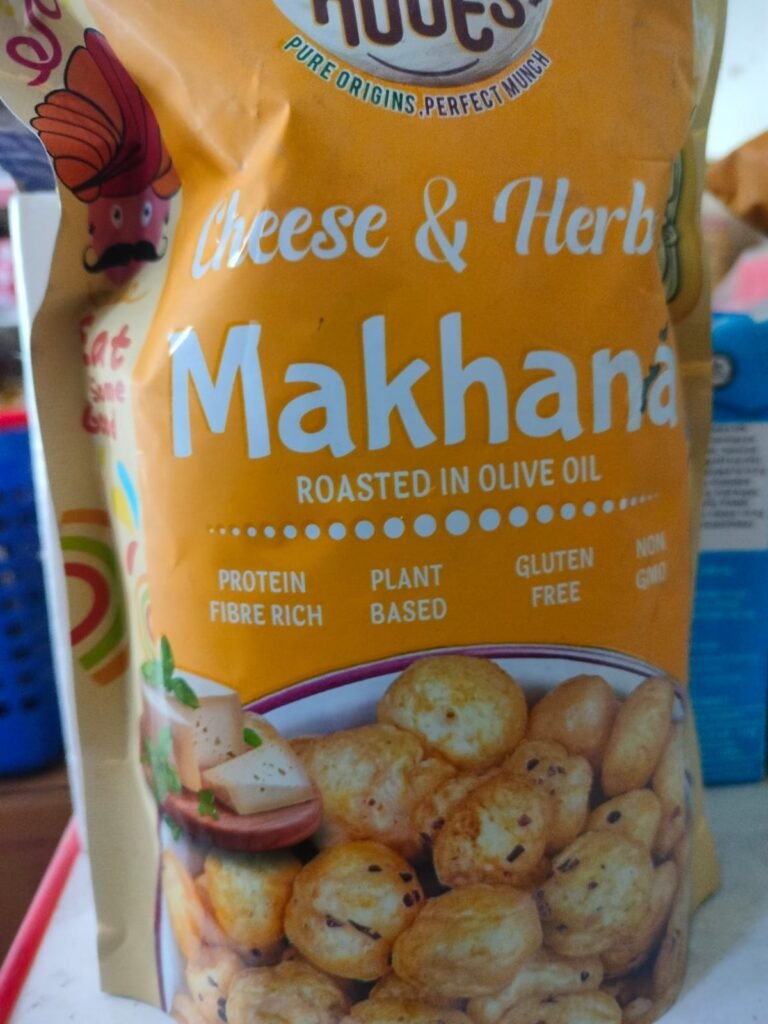
Cheese and Herb Makhana — A Popular Flavor Example
Cheese and herb is one of the most requested flavor profiles for private label makhana entering the US market, since it sits closer to familiar snack flavors like ranch or herb-seasoned popcorn, making it an easier first flavor for shoppers trying makhana for the first time. A well-balanced cheese and herb makhana typically blends a savory cheese-powder base with dried herbs (oregano, parsley, or basil) and a light salt profile, roasted rather than fried to keep the snack in the low-calorie, better-for-you category. For brands unsure which flavor to launch with, cheese and herb is often recommended as a lead SKU precisely because of this crossover appeal, with spicier or sweeter variants added to the line once the base flavor gains shelf traction.
Packaging Customization
Manufacturers can produce stand-up pouches, resealable zippers, or bulk bags in sizes ranging from single-serve (20–30g, popular for vending and subscription boxes) to family/bulk packs (250g–1kg, standard for grocery shelf), with your brand’s design, barcode, and nutrition facts panel printed to US labeling standards. Foil-lined pouches are worth requesting specifically for makhana, since the product is moisture-sensitive and standard poly bags shorten shelf life noticeably in humid transit conditions.
Branding & Compliance Extras
Branding customization typically extends beyond the pouch itself — manufacturers experienced with US private label programs can also support master carton labeling for distributor/retailer compliance, QR codes linking to brand storytelling or sourcing transparency pages, and seasonal or limited-edition packaging runs for promotional periods, all of which US retail buyers increasingly expect from an established snack brand rather than a first-time importer.
How to Start a Makhana Snack Brand in USA — What You Need to Know
Parallel Tracks to Manage Beyond Manufacturing
Launching a private label makhana brand in the US involves a few parallel tracks: securing a US-based importer of record (or registering as one yourself), confirming FDA labeling compliance for your specific packaging, budgeting for a 25–40 day sea freight window plus customs clearance, and lining up initial distribution — whether that’s direct-to-consumer, regional grocery, or a wholesale distributor network.
A Realistic First-Launch Timeline
Most new brands underestimate the compliance and logistics timeline more than the manufacturing timeline itself. A realistic first-year plan looks like: month 1 sampling and formulation lock, months 2–3 production and shipping, month 4 customs clearance and warehousing, and month 4–5 first retail or online sales. Building in a buffer of 60–90 days from sample approval to product actually on shelf is the safest planning assumption, especially if this is your first import shipment.
DTC vs Retail — Which to Launch First?
It’s also worth deciding early whether you’re launching direct-to-consumer first (via your own website or Amazon) or pursuing retail shelf placement first. DTC launches can move faster since they skip retailer buyer meetings and planogram cycles, while retail placement typically requires additional lead time for buyer presentations, slotting fees, and first-order minimums that are often larger than your initial manufacturing trial run — worth factoring into your MOQ decision from the very first briefing call.
What Are the Shipping and Import Costs? (FOB vs CIF vs DDP)
Pricing quotes vary significantly depending on the shipping term, so it’s worth confirming exactly what’s included before comparing two manufacturers’ quotes side by side — a lower FOB price isn’t necessarily cheaper once freight and duties are added on your end.
FOB (Free on Board)
Manufacturer’s cost stops at the origin port; you arrange and pay for freight, insurance, and US customs clearance. Best value at higher volumes if you already have a freight forwarder relationship.
CIF (Cost, Insurance, Freight)
Manufacturer covers freight and insurance to the destination port; you handle customs clearance and duties from there. A middle-ground option for buyers with some import experience.
DDP (Delivered Duty Paid)
Manufacturer handles everything, including duties, through to your warehouse door; simplest for first-time importers, though typically priced 8–15% higher per unit to cover that complexity.
Which Option Should You Choose?
First-time private label buyers generally start with DDP to avoid customs complexity on their first shipment, then move to FOB once order volumes justify managing logistics directly for better margins — often after the second or third reorder, once the supply chain relationship is established.
What Does a Sample Private Label Cost Breakdown Look Like?
To make the FOB/CIF/DDP terms concrete, here’s a simplified illustrative example for a 1,000 kg trial order of flavored makhana in 100g retail pouches, shipped from a Bihar-based facility to a US East Coast port. Actual pricing varies by flavor complexity, packaging material, and current freight rates, but the structure below reflects how buyers typically see costs broken down in a manufacturer’s quote.
Cost Components Explained
- Raw material and processing (roasting, flavoring, quality grading): the largest single cost component, driven mainly by makhana grade size and flavor complexity
- Packaging and labeling (custom pouches, printing, barcoding): scales with packaging format — foil-lined stand-up pouches cost more than basic poly bags but protect shelf life
- Freight and insurance (FOB adds this on your side; CIF and DDP build it into the quote): sea freight is far more economical than air freight for trial orders above 500 kg
- Customs duties and clearance fees (buyer’s responsibility under FOB/CIF, included under DDP): varies by US tariff classification for processed snack foods
- Total landed cost per unit is what actually determines your retail margin — always ask a manufacturer for a landed-cost estimate, not just an ex-factory price, before comparing quotes across suppliers
Common Mistakes US Brands Make When Choosing a Private Label Makhana Manufacturer
A few recurring issues account for most of the delays and disputes buyers run into, and almost all of them are avoidable by asking the right questions up front.
Top 5 Mistakes to Avoid
- Skipping the certification check: buyers who don’t verify FDA registration and HACCP certification before placing a deposit are the ones most likely to face shipment holds later.
- Confusing ex-factory price with landed cost: a manufacturer quoting a low per-kg price on an FOB basis can end up more expensive than a DDP quote once freight, insurance, and duties are added.
- Underestimating packaging lead time: custom pouch printing alone can take 3–4 weeks if artwork revisions are needed, which is often the real bottleneck, not production.
- Not requesting a pre-shipment sample from the actual production batch: a sample approved months earlier during initial sampling may not match the quality of the bulk production run without a batch-specific check.
- Committing to a large first order before validating US demand: starting with a smaller trial order (500–1,000 kg) on one or two flavors reduces risk while sell-through data is still being gathered.
Why Choose Om Exim Traders as Your OEM Makhana Manufacturer?
Om Exim Traders sources makhana directly from farm networks in Bihar and offers full private label and contract manufacturing services for US brands — including custom flavor development, FDA-compliant packaging and labeling support, HACCP-certified processing, and flexible shipping under FOB, CIF, or DDP terms. From sample development to container documentation, the process is built to get a new brand from concept to US shelf without the buyer needing to manage factory operations directly, backed by grading and traceability documentation for every batch.
Frequently Asked Questions
White label orders can start around 100–300 kg since the base product exists. True custom private label typically starts at 500–1,000 kg per flavor/SKU, with better pricing at full-container volumes.
From initial briefing to product landing in a US warehouse, the realistic timeline is 90–120 days, covering sampling, production, shipping, and customs clearance.
It can be, provided the manufacturer holds FDA Food Facility Registration, files Prior Notice per shipment, and the buyer (as importer) meets FSVP requirements. Always confirm these before ordering.
White label is an existing product with your label applied — fast and low-cost but not customizable. Private label (contract manufacturing) is built to your flavor, packaging, and branding spec, with higher MOQ but full customization and exclusivity.
Yes, provided the manufacturer holds the relevant certification documentation for that specific claim, and the certification is confirmed in writing before production begins so it can be reflected accurately on your final packaging.
Common custom flavor requests include peri peri, cheese & herb, chili lime, cinnamon-sweet, and plain roasted/unsalted variants, with spice and sweetness levels adjustable to your specification.
Yes — US customs requires an importer of record for any commercial food shipment. This can be your own registered business or a licensed customs broker acting on your behalf.
Formats typically range from single-serve pouches (20–30g) to bulk/family packs (250g–1kg), in stand-up resealable pouches or bulk bags, depending on your retail or distribution channel.
Order Now
+91 9040030306
info@omeximtraders.com