Makhana Supplier in New York
Home > Makhana Supplier in New York
Makhana Supplier in New York: Complete Sourcing & Buyer's Guide
A reliable makhana supplier in New York should offer FDA-registered processing, HACCP certification, consistent grade specifications, and flexible shipping terms (FOB, CIF, or DDP) suited to buyers ranging from small retailers to large distributors. New York’s position near the Port of New York and New Jersey — one of the busiest import hubs on the East Coast — gives local buyers a genuine logistics advantage over inland markets, with shorter last-mile delivery times once a shipment clears customs. This guide covers exactly what to look for in a makhana supplier in New York, how sourcing options compare, what bulk pricing looks like, and how to avoid the most common mistakes first-time importers make.
Why Is New York a Strategic Hub for Sourcing Makhana?
Before comparing suppliers, it helps to understand why New York specifically matters for makhana sourcing, beyond simply being a large consumer market.
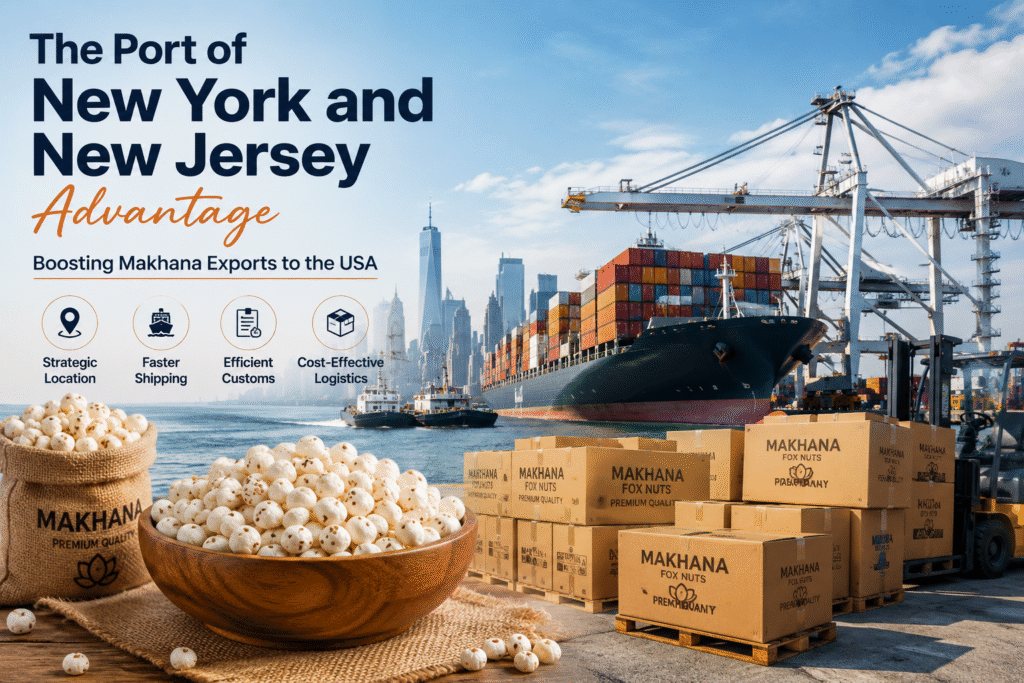
The Port of New York and New Jersey Advantage
The Port of New York and New Jersey is the busiest container port on the US East Coast, handling a significant share of food imports arriving from South Asia, including bulk shipments of makhana from India. For buyers based in or near New York, this means shorter inland trucking distances once a container clears customs, compared to businesses in landlocked states that need goods trucked in from a distant port. This logistics advantage typically translates into lower last-mile freight costs and faster restocking cycles for a makhana supplier in New York working with distributors, retailers, and food service buyers across the metro area.
Distribution Advantage to Nearby States
New York’s port and highway infrastructure also make it a practical distribution point for reaching New Jersey, Connecticut, and Pennsylvania without a second inland shipping leg. Distributors working with a New York-based supplier can often cover the broader Tri-State area from a single warehouse, which is one reason many regional food distributors choose to base their makhana inventory in or near New York even when their end customers are spread across several states.
Distribution Advantage to Nearby States
There are three major reasons why makhana is winning over U.S. consumers:
- Health & Wellness Movement – With obesity and lifestyle diseases on the rise, more Americans are moving away from fried snacks and processed foods. Makhana is marketed as a guilt-free, crunchy snack that satisfies cravings without harming health.
- Cultural Curiosity & Global Foods Trend – Americans love trying foods from other cultures. Just like turmeric lattes and quinoa, makhana is being recognized as the next big superfood from Asia.
- Convenience & Versatility – Available in roasted, flavored, or raw forms, makhana can be eaten straight from the pack, added to cereals, or used in recipes. This versatility makes it appealing to busy American lifestyles.
How This Compares to Sourcing From an Inland Market
Buyers who have previously sourced makhana through a distributor based in a landlocked state often notice the difference once they switch to a makhana supplier in New York with direct port access — reorder cycles shorten, and unexpected inland freight surcharges that sometimes appear on inland-sourced invoices become far less common. This isn’t a universal rule, since supplier reliability still varies more than location alone, but geography is a real factor worth weighing when comparing two otherwise similar quotes.
What Should You Look for in a Makhana Supplier in New York?
Not every supplier claiming to serve the New York market actually holds the documentation or consistency buyers need. A few checks upfront can save significant time later.
FDA and HACCP Compliance
Any legitimate makhana supplier in New York working with imported product needs FDA Food Facility Registration on the exporting side and should be able to confirm HACCP or ISO 22000 certification for food safety management. Buyers acting as the importer of record should also confirm their own FSVP (Foreign Supplier Verification Program) obligations before the first shipment arrives.
Grade and Quality Consistency
Makhana is graded by popped size, and a supplier should be able to provide a grade specification sheet alongside any quote. New York buyers ordering for retail shelf, in particular, should request a sample from the actual production batch rather than an older reference sample, since grade consistency affects both shelf appeal and pricing.
Shipping and Delivery Terms
Confirm whether a quote is FOB, CIF, or DDP, and — specifically relevant for New York buyers — ask whether the supplier’s DDP pricing already accounts for the shorter delivery distance from the Port of New York and New Jersey. Some suppliers apply a flat national DDP rate that doesn’t reflect this regional advantage, which is worth negotiating on.
Communication and Reorder Reliability
Beyond the paperwork, it’s worth evaluating how a prospective makhana supplier in New York communicates during the sampling and quoting stage — slow or vague responses at this early point are often a preview of how reorders will be handled later. Buyers with recurring retail or distribution needs should ask directly about typical reorder turnaround time and whether pricing is held steady across a multi-shipment agreement or renegotiated each time.
Where Can You Source Bulk Makhana for New York Businesses?
New York buyers generally have two realistic paths for sourcing bulk makhana, and the right choice depends heavily on order volume and how quickly product is needed.
Whether sourcing bulk makhana New York wholesale orders directly from India or through a local distributor, understanding the trade-offs below helps buyers pick the right path for their order size and timeline.
Direct Import from India
Sourcing directly from a manufacturer or exporter in Bihar, India, gives the best per-kg pricing and full control over grade, packaging, and branding, but requires a longer lead time (25–40 days sea freight) and typically a higher minimum order quantity.
Working with a US-Based Distributor
Buying through a distributor already holding US inventory means faster turnaround — often just a few days — and much lower minimum order quantities, which suits smaller retailers or restaurants that don’t need container-level volume. The trade-off is a higher per-kg price, since the distributor’s own margin and holding costs are built into the quote.
Comparing the Two Sourcing Paths
Here’s how the two options compare directly:
Factor | Direct Import from India | US-Based Distributor |
Price per kg | Lowest (FOB/CIF/DDP) | 10–20% higher (distributor margin) |
MOQ | 500 kg – full container | As low as 25–50 kg |
Lead Time | 25–40 days (sea freight) | 1–5 days (local delivery) |
Best For | Large retailers, distributors, private label | Small retailers, restaurants, first-time buyers |
A practical approach many New York buyers use is starting with a distributor to validate demand with a small order, then transitioning to direct import once order volume justifies the longer lead time and higher MOQ.
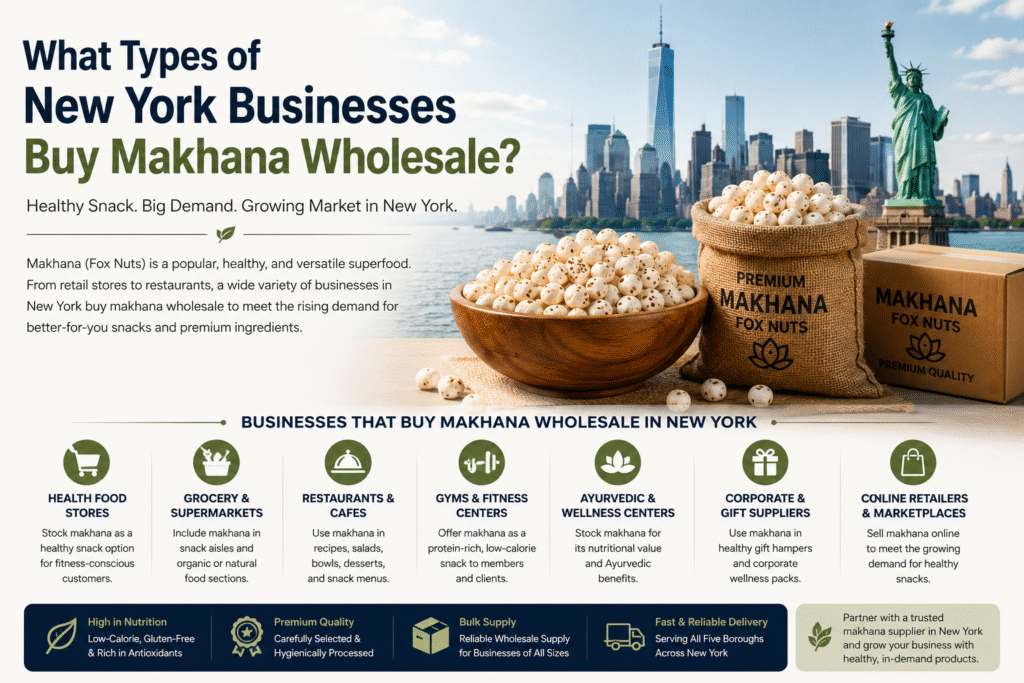
What Types of New York Businesses Buy Makhana Wholesale?
Demand for wholesale makhana in New York comes from a mix of buyer types, each with slightly different sourcing priorities.
Indian and South Asian Grocery Stores
Neighborhoods with dense South Asian populations, such as Jackson Heights in Queens, represent some of the highest-volume, most consistent demand for makhana in the New York market, often purchasing plain roasted and lightly salted varieties in bulk bags rather than flavored retail packs.
Health Food Stores and Supermarkets
Mainstream grocery and health food retailers across New York City and the surrounding suburbs increasingly stock flavored, retail-ready makhana as a gluten-free, protein-rich snack option, usually sourced through a distributor for smaller, more frequent orders.
Restaurants and Cafes
Restaurants incorporating makhana into dishes or snack menus tend to buy smaller bulk quantities on a recurring basis, prioritizing consistent grade and quick reorder turnaround over the lowest possible per-kg price.
Private Label Snack Brands Based in New York
A growing number of snack brands headquartered in New York are launching private label makhana products, typically sourcing custom flavor and packaging directly from an Indian manufacturer while using New York as their distribution and fulfillment base given its port access and dense retail network.
How Much Does Bulk Makhana Cost for New York Buyers?
Pricing follows the same grade-based structure seen across the US market, though New York’s port proximity can modestly reduce the freight component of landed cost.
Grade-Wise Wholesale Pricing
Standard grades typically range from $5 to $18 per kg FOB depending on size and quality grade, with landed (DDP) cost in the New York area often running slightly below the national average DDP estimate due to reduced inland freight distance from the port.
A Practical Cost Example for a New York Buyer
On a 1,000 kg order of medium-grade makhana at roughly $8.50/kg FOB, a New York-based buyer receiving the shipment through the Port of New York and New Jersey can often see freight and last-mile delivery costs several percentage points lower than an equivalent order trucked from a West Coast port to an East Coast warehouse — a detail worth raising directly with a makhana distributor NYC buyers are evaluating, since not every supplier passes this savings on by default.
Why Port Proximity Affects the Final Number
Inland trucking costs scale with distance, so a shipment landing directly at a New York-area port and moving a short distance to a New York or New Jersey warehouse avoids the several-hundred-mile inland freight leg that buyers further from a coastal port typically absorb.
Rough Estimate: Inland Freight Savings
On a full container load, this proximity can represent a meaningful reduction in total landed cost compared to sourcing the same product through a distributor based several states away — often enough to offset a portion of any distributor markup on a smaller order.
What's the Import Process for Makhana Through New York?
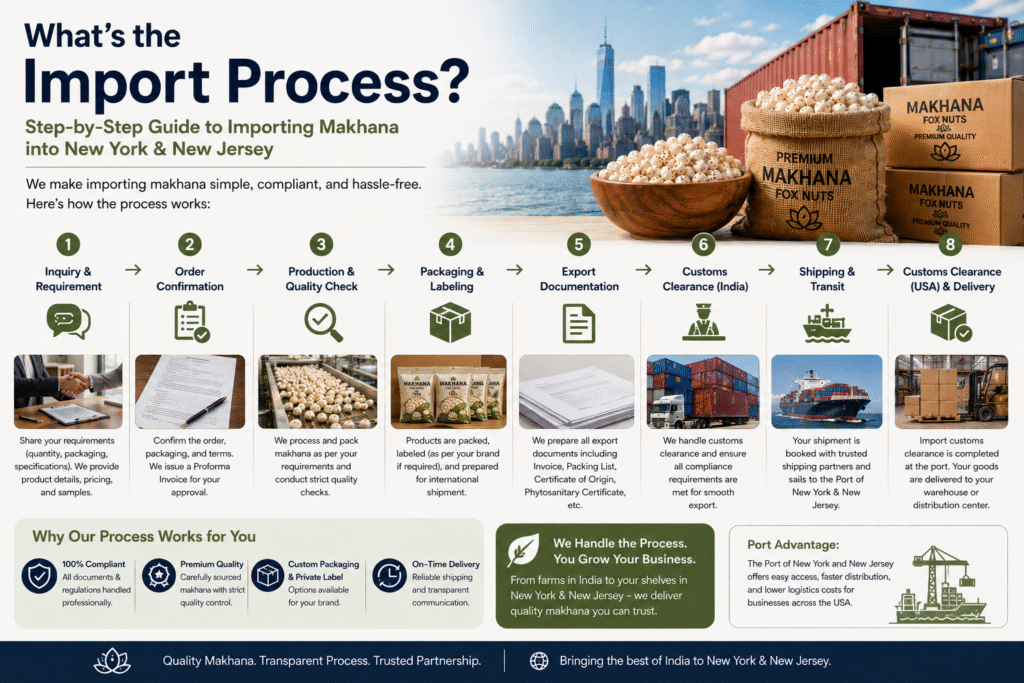
For buyers importing directly rather than through a distributor, the process from initial order to warehouse delivery generally follows six stages.
Step-by-Step Import Process
Step 1 — Supplier Briefing and Sample Approval
Confirm grade, packaging, and any certification requirements, and request samples before committing to a production run.
Step 2 — Order Confirmation and Costing
Lock in pricing and shipping terms (FOB, CIF, or DDP) in writing, along with an estimated production and shipping timeline.
Step 3 — Production and Quality Checks
The supplier processes and grades the order, with moisture content and pop ratio checks at each batch to protect shelf life during the ocean transit period.
Step 4 — Documentation Preparation
Commercial invoice, packing list, certificate of origin, and FDA Prior Notice are prepared ahead of departure.
Step 5 — Ocean Freight to the Port of New York and New Jersey
Sea freight from India typically takes 25–40 days depending on routing and any transshipment stops along the way.
Step 6 — Customs Clearance and Local Delivery
Once the shipment clears US Customs and Border Protection at the port, delivery to a New York or Tri-State-area warehouse is typically a short final leg compared to inland destinations.
Realistic Timeline for a New York Import
End to end, buyers importing directly through New York should plan for roughly 90–110 days from initial supplier briefing to product available for sale — slightly faster than the national average import timeline due to the shorter final delivery distance once the shipment reaches port.
What Documentation Do You Need to Import Makhana into New York?
Import documentation requirements for makhana entering through New York are the same federal requirements that apply at any US port, though buyers should confirm paperwork is filed correctly ahead of arrival to avoid delays at this particularly high-traffic port.
Required Documents Checklist
- FDA Prior Notice — filed before the shipment departs origin
- FDA Food Facility Registration — held by the exporting facility
- Commercial invoice and packing list — matching the shipment contents exactly
- Certificate of origin — confirming the product’s country of manufacture
- HACCP or ISO 22000 certification — supporting food safety compliance
- FSVP documentation — the New York-based importer’s own compliance responsibility
Why Documentation Errors Cause Delays at Busy Ports
Because the Port of New York and New Jersey handles such high shipment volume, containers with incomplete or mismatched documentation are more likely to be flagged for manual review simply due to the sheer traffic passing through customs each day, which can add days or weeks to an otherwise on-schedule delivery.
Makhana Supplier Options Across New York Boroughs and Nearby Areas
Demand and supplier activity vary somewhat by area within the broader New York market.
Manhattan
Manhattan-based buyers are typically retailers, health food stores, and restaurants ordering smaller, frequent quantities through a distributor rather than importing directly, given limited warehouse space in the borough.
Brooklyn and Queens
Brooklyn and Queens, including high-density South Asian retail corridors like Jackson Heights, represent some of the strongest direct-to-consumer and wholesale grocery demand in the New York market, often supporting larger recurring bulk orders.
Long Island and Nearby New Jersey
Buyers in Long Island and nearby New Jersey frequently serve as regional distribution points, taking advantage of proximity to the Port of New York and New Jersey to warehouse and redistribute makhana further into the broader Tri-State and Northeast market.
Makhana Wholesale Price Trends Specific to the New York Market
Pricing for a makhana supplier in New York follows the same seasonal pattern seen nationally — tied to the Bihar harvest cycle, with the most competitive pricing typically available in the months following harvest, roughly November through February — but a few New York-specific factors add additional nuance worth tracking.
Port Congestion and Seasonal Freight Costs
Freight costs through the Port of New York and New Jersey can fluctuate with broader shipping volume through the port, including unrelated seasonal peaks like the pre-holiday retail import surge in Q4. Buyers planning a large order timed for the post-harvest pricing window should also check whether that window overlaps with a period of higher port congestion, since a lower product price can be partially offset by elevated freight and handling costs during peak shipping season.
Local Demand Pressure on Distributor Pricing
Because New York’s South Asian and health-food retail markets are unusually dense compared to most other US metro areas, local distributor pricing for makhana can hold firmer than the national average even during the post-harvest window, simply due to steady local demand. Buyers relying on a distributor rather than direct import should factor this in when comparing New York pricing against national benchmarks, rather than assuming distributor pricing will track the harvest cycle discount as closely as direct-import FOB pricing does.
Common Mistakes Buyers Make When Sourcing Makhana in New York
A handful of recurring issues account for most of the friction New York buyers run into when sourcing makhana for the first time.
Mistakes to Avoid
- Assuming all DDP quotes already reflect New York’s port proximity — always ask directly whether regional freight savings are passed through
- Skipping certification verification because a supplier claims to already serve other New York clients — always request current documentation directly
- Underestimating customs review time at a high-traffic port like New York, which can run longer than at smaller, less congested ports
- Committing to a large direct-import order before testing demand through a smaller distributor-sourced trial run
- Not confirming warehouse and last-mile delivery capability within the Tri-State area before finalizing a supplier agreement
Why These Mistakes Matter More in a High-Volume Port Market
Because so much freight moves through the Port of New York and New Jersey on any given week, small documentation or logistics errors that might resolve quickly at a smaller port can take longer to untangle here simply due to volume. Buyers working with an experienced makhana supplier in New York that regularly ships through this specific port tend to avoid these delays more consistently than buyers working with a supplier unfamiliar with this port’s particular processing patterns.
Why Choose Om Exim Traders as Your Makhana Supplier in New York?
New York buyers weighing multiple suppliers usually care about three things above all else: where the product actually comes from, whether the paperwork holds up at customs, and how easy it is to get a straight answer when placing an order. Om Exim Traders is built around those three priorities specifically for buyers sourcing through the Port of New York and New Jersey.
Direct Sourcing from Bihar Farms
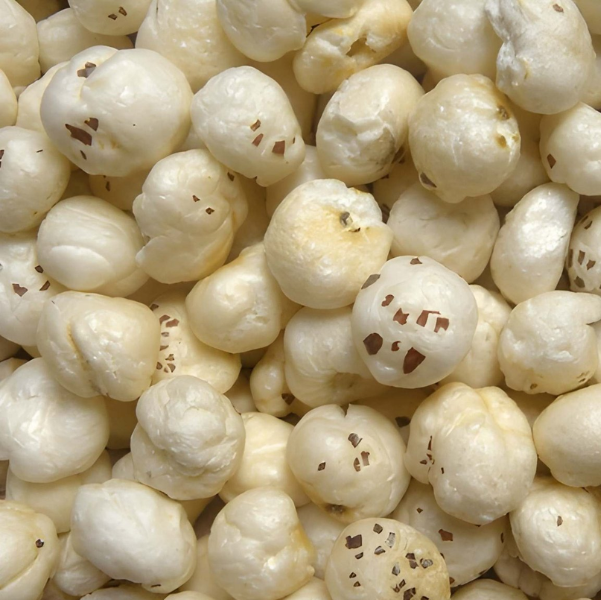
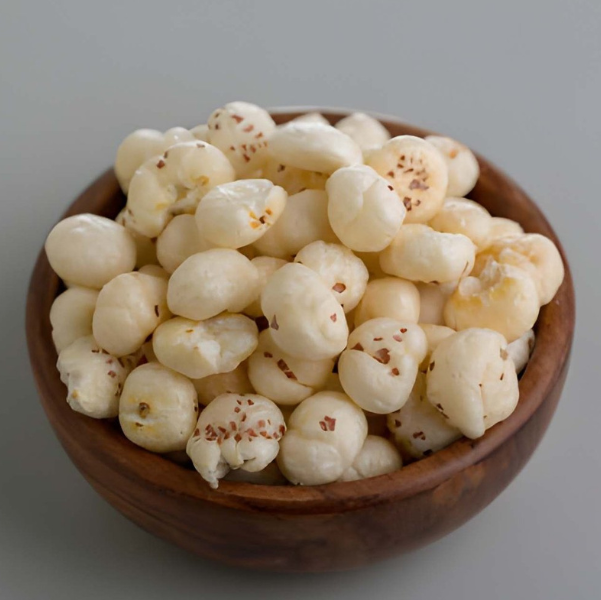
Om Exim Traders sources makhana (fox nuts) directly from farm networks in Bihar, removing the extra trading layers that often inflate pricing for buyers working through multiple intermediaries. This direct relationship also means more consistent grading batch to batch, which matters for New York retailers who need shelf-ready product without repeated quality surprises.
Certified and Documented for Faster Customs Clearance
Every shipment is backed by HACCP-certified processing and full grading documentation, prepared in advance of arrival. This matters more at a high-traffic port like New York than it might elsewhere — incomplete paperwork is far more likely to trigger a manual customs review simply because of how much cargo moves through this port each week.
Flexible Terms for Every Buyer Type
FOB, CIF, and DDP shipping options are all available, so retailers, distributors, and private label brands across the New York market can each choose the arrangement that fits their volume and experience level — from a first-time DDP order to a direct FOB relationship for an established distributor placing repeat container orders.
Guides for Buyers Still Exploring Their Options
For buyers comparing sourcing approaches before narrowing down to a specific supplier, our complete guide on Wholesale Makhana Supplier in United States covers sourcing fundamentals that apply nationally.
Brands planning to launch their own branded makhana line, rather than sourcing a generic bulk product, may find it more useful to start with our guide on Private Label Makhana Manufacturer for USA Brands, which covers MOQ, custom flavor development, and packaging in detail.
Get a New York-Specific Quote
Order volumes, grade preferences, and delivery timelines vary by buyer type, so reach out directly for a customized quote that accounts for your specific location within the New York and Tri-State area. Whether you’re a small retailer testing demand or a distributor planning a full-container order, working with a makhana supplier in New York that understands the local port and delivery landscape makes the entire ordering process noticeably smoother from first quote to reorder.
Frequently Asked Questions (FAQs) about Makhana Supplier in New York
Start by verifying FDA registration and HACCP certification, then request a grade specification sheet and sample before comparing pricing across suppliers or distributors.
Direct import typically offers the lowest per-kg price but requires a higher MOQ and 25–40 day lead time; a distributor costs more per kg but delivers in days with a much lower minimum order.
Yes — buyers receiving shipments through the Port of New York and New Jersey generally see lower inland freight costs than buyers in states farther from a major coastal port.
Distributor-sourced orders can start as low as 25–50 kg, while direct import from India typically starts around 500 kg for a custom or private label order.
Direct import typically takes 90–110 days from initial supplier briefing to product available for sale, including sea freight and customs clearance.
Areas with dense South Asian retail presence, such as Jackson Heights in Queens, along with broader Brooklyn and Queens grocery markets, tend to show the strongest consistent bulk demand.
FDA Food Facility Registration, HACCP or ISO 22000 certification, and support for FSVP documentation are the minimum standard to confirm before ordering.
Yes — several suppliers offer private label and custom packaging services for brands based in or distributing through the New York market, typically with a higher MOQ than standard bulk orders.
Order Now
+91 9040030306
info@omeximtraders.com