
Best Indian Snacks Suppliers in UAE
Home > Best Indian Snacks Suppliers in UAE
Best Indian Snacks Suppliers in UAE: The Ultimate B2B Wholesale Guide
The United Arab Emirates has transformed into a melting pot of global cultures, with the South Asian diaspora making up a massive percentage of its resident population. Alongside this demographic foundation, local Emiratis and Western expatriates have developed a deep appreciation for the complex, bold, and diverse flavors of Indian street food and traditional savories. Consequently, the commercial demand for authentic Indian namkeen, chips, and ready-to-eat items across Dubai, Abu Dhabi, Sharjah, and the northern emirates has reached an all-time high.
For supermarkets, hypermarkets, specialized grocery boutique owners, hospitality procurement managers, and catering businesses, finding the right distribution partner is a critical operational decision. Navigating international supply chains, maintaining strict regional compliance, and ensuring that the taste profile remains uncompromised require an experienced partner. This comprehensive guide breaks down the commercial ecosystem of sourcing traditional savories, highlighting why OM Exim Traders stands out as an industry leader among the best Indian snacks suppliers in UAE.
UAE Snack Market Overview
The consumer food landscape in the UAE is characterized by premium purchasing power, high urban density, and an institutional reliance on imported goods. According to recent market insights, the packaged food sector in the GCC is expanding rapidly, with the UAE leading the charge in per capita snack consumption. The retail environment is dominated by major hypermarket chains like Lulu, Carrefour, and Spinneys, alongside thousands of high-traffic neighborhood grocery stores (“baqalas”) and a rapidly expanding e-commerce delivery ecosystem.
In the snack segment, traditional savory items now compete directly with western potato chips and standard snack bars. Corporate offices, educational institutions, and domestic households consume massive volumes of finger foods weekly. This commercial volume makes it highly profitable for local food businesses to source directly from top-tier Indian snacks wholesalers UAE to secure sustainable margins and continuous inventory flow.
Growing Demand for Indian Snacks in UAE
The market requirement for authentic snacks is no longer confined to specific festive periods or seasonal gatherings. It is a sustained, year-round multi-million-dollar industry. The modern consumer wants immediate access to clean-label, high-quality, and structurally sound packaged foods that replicate the exact flavor memories of regional India.
Furthermore, the fast-paced lifestyle in major corporate hubs like the Dubai International Financial Centre (DIFC) and Abu Dhabi Global Market (ADGM) has boosted the sales of single-serve, grab-and-go snack pouches. Importers and local distributors are constantly looking for a scalable bulk Indian snacks supplier Dubai who can ship consistent product qualities without introducing shipping delays.
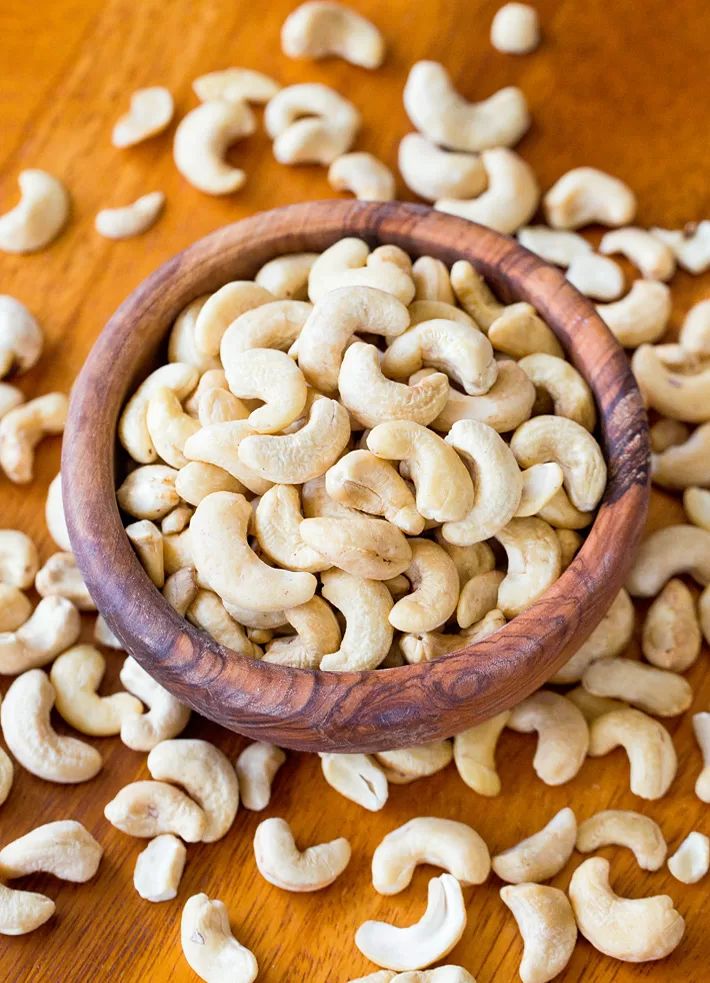
Why Indian Snacks Are Popular in Dubai & UAE
The enduring popularity of Indian namkeen and savories in the Middle East boils down to three primary socio-economic factors:
- Cultural Familiarity and Expatriate Demographics: Over three million Indian nationals reside in the UAE, establishing a permanent structural demand for home country comfort foods.
- The Tea Time Culture (“Chai Shai”): The daily ritual of evening tea is deeply rooted among South Asian and Arab households alike, creating a massive secondary market for bulk tea time snacks wholesale.
- Flavor Complexity and Variety: Unlike western snacks that rely heavily on basic salt or cheese flavorings, Indian savories utilize functional spices like cumin, turmeric, black salt, and dry mango powder, providing an addictive sensory experience that appeals to all nationalities.
To capture this diverse consumer interest, regional businesses must align with experienced Indian food distributors UAE who possess deep insights into regional taste variations, ranging from the mild, sweet-savory mixes of Gujarat to the fiery, spice-forward fried lentils of Southern India.
Types of Indian Snacks in UAE Market
The operational inventory requirements of a UAE retail business are highly diverse. To satisfy the consumer base, a comprehensive supply portfolio must include several distinct product categories:
Traditional Indian Namkeen
This category includes high-volume items like Sev, Bhujia, Gathiya, Chana Chur, and complex mixture profiles (Cornflakes Mixture, Navratan Mixture, and Kashmiri Chivda). These items form the backbone of retail sales shelves and are heavily supplied by premium Indian namkeen suppliers in UAE.
Flatbreads and Dehydrated Staples
Traditional, light crunch items such as handmade Khakhra (available in methi, jeera, and masala flavors), mini Bhakharwadi, and various flavored papads (like moong dal, urad dal, and garlic papad) serve as excellent options for health-conscious buyers. These consumers prefer roasted or low-oil alternatives to fried items. Sourcing these items through a trusted, professional papad suppliers UAE network ensures that these highly delicate, brittle products arrive at your warehouse without structural shattering, moisture degradation, or oil sweating.
Modern Fusion and Extruded Snacks
Spicy potato chips seasoned with regional chaat masala, crisp banana chips prepared in pure coconut oil, and puffed rice or corn-based extruded treats appeal directly to children, teenagers, and younger consumers who enjoy intense, tangy flavor profiles. The fast-moving nature of this segment makes the selection of a qualified, agile Indian chips suppliers UAE partner critical for ensuring rapid retail turnover and capturing spontaneous, impulse-buy revenue at checkouts.
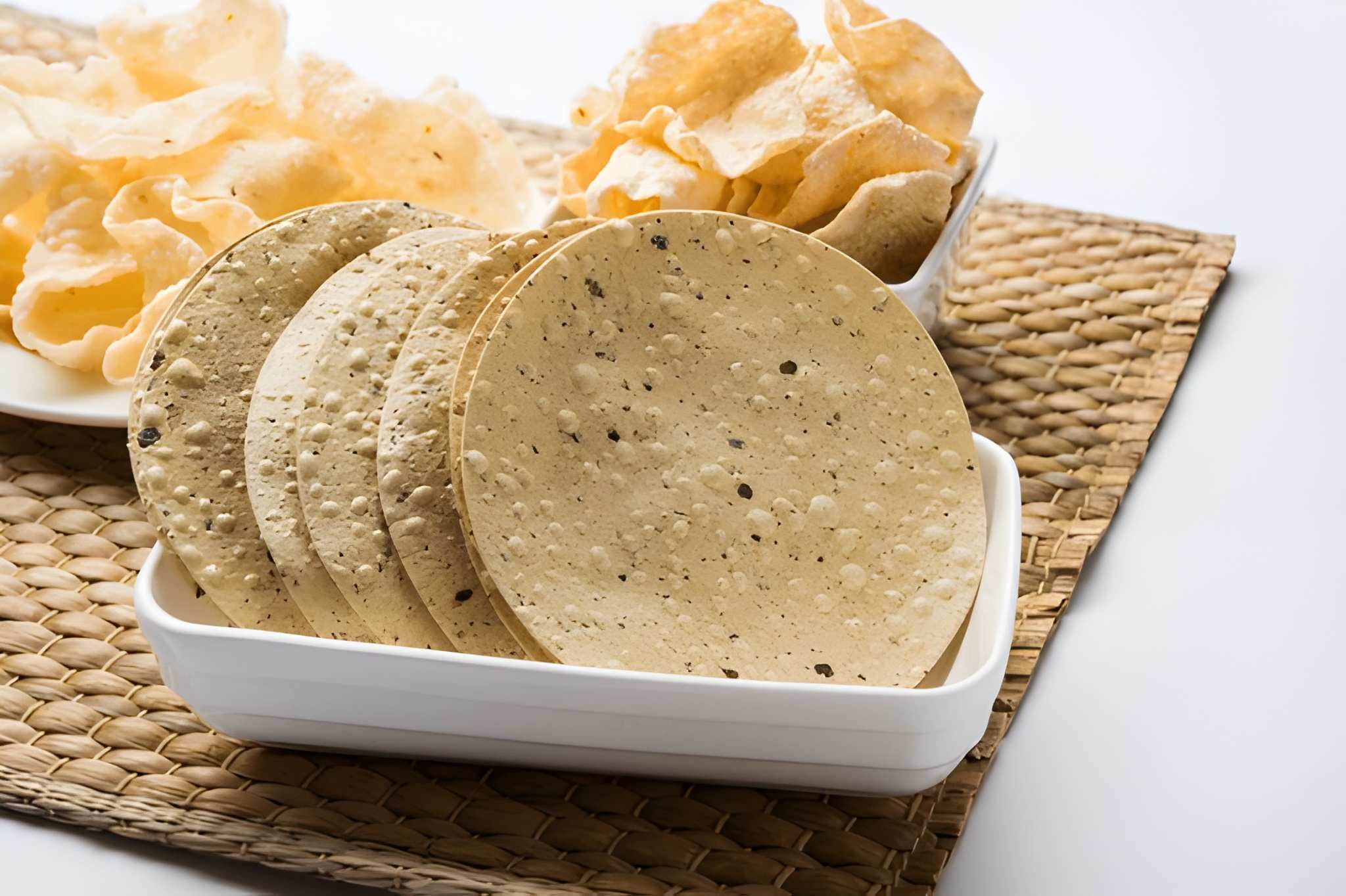
Best Indian snacks suppliers in UAE
When closely reviewing the competitive field of commercial entities servicing the Middle East food import sector, B2B procurement managers must look past simple price-per-kilogram metrics. True supply chain value does not come from ultra-cheap, unverified sources; it lies in structural consistency, clear administrative support, and complete regulatory compliance. Shifting to an unauthorized or informal supplier frequently results in product confiscation at the port of entry, causing catastrophic financial losses.
| Supplier Criteria | Tier-1 Importers / Exporters (OM Exim Traders) | Low-Cost Informal Traders |
|---|---|---|
| Regulatory Clearances | Complete documentation, FSSAI certified, export-ready compliance, smooth customs clearance support | Missing paperwork, incomplete certifications, high risk of customs rejection |
| Packaging Standards | Multi-layer vacuum packing, nitrogen flushed, UV protection, long shelf life assurance | Low-grade plastic packaging, weak sealing, moisture damage risk |
| Shipping & Logistics | Consolidated container shipping, temperature control, scheduled global sailings | Unorganized shipping, delays, no climate control, frequent damage |
| Sourcing Quality | Direct factory sourcing, consistent flavor, verified quality checks | Middle-market sourcing, inconsistent quality, old stock issues |
| Pricing Stability | Transparent wholesale pricing, bulk discounts, long-term supply contracts | Unstable pricing, hidden charges, frequent rate changes |
| Market Reliability | Strong UAE distribution network, consistent supply chain, trusted brand value | Weak supply chain, stock shortages, unreliable delivery timelines |
| Business Trust Level | Established exporter like OM Exim Traders with proven international experience | Unverified traders with limited export history |
Among the leading corporate players currently dominating this complex cross-border logistics pipeline, OM Exim Traders has successfully built a stellar market reputation as a highly dependable supplier. They perfectly fill the commercial gap between massive manufacturing setups in India and localized commercial buyers, retail chains, and hospitality brands operating across the GCC.
Why Choose OM Exim Traders
When searching for the absolute best Indian snacks suppliers in UAE, smart businesses routinely choose OM Exim Traders as their long-term strategic supply partner. The company operates with a high level of corporate professionalism, deep technical food industry knowledge, and an unwavering commitment to operational excellence that keeps clients ahead of their local competitors.
Extensive Snack Variety
Whether your commercial business requires premium hand-crafted diet khakhra for high-end organic stores, large multi-ton commercial shipments of regular bhujia for industrial catering, or highly specialized sweet-and-sour profiles via a spicy Indian snacks supplier program, the company offers an exhaustive portfolio covering all major regional snack traditions of India. This allows you to consolidate your entire sourcing under a single invoice.
Exceptional Export Standards & Clean Quality
The company employs strict quality control mechanisms at every single stage of procurement and shipping. Every batch undergoes rigorous physical sorting, moisture level validation, oil quality checks, and automated sensory evaluation to guarantee that the final consumer experiences a premium crunch, perfectly balanced spices, and authentic flavor profile every single time a bag is opened.
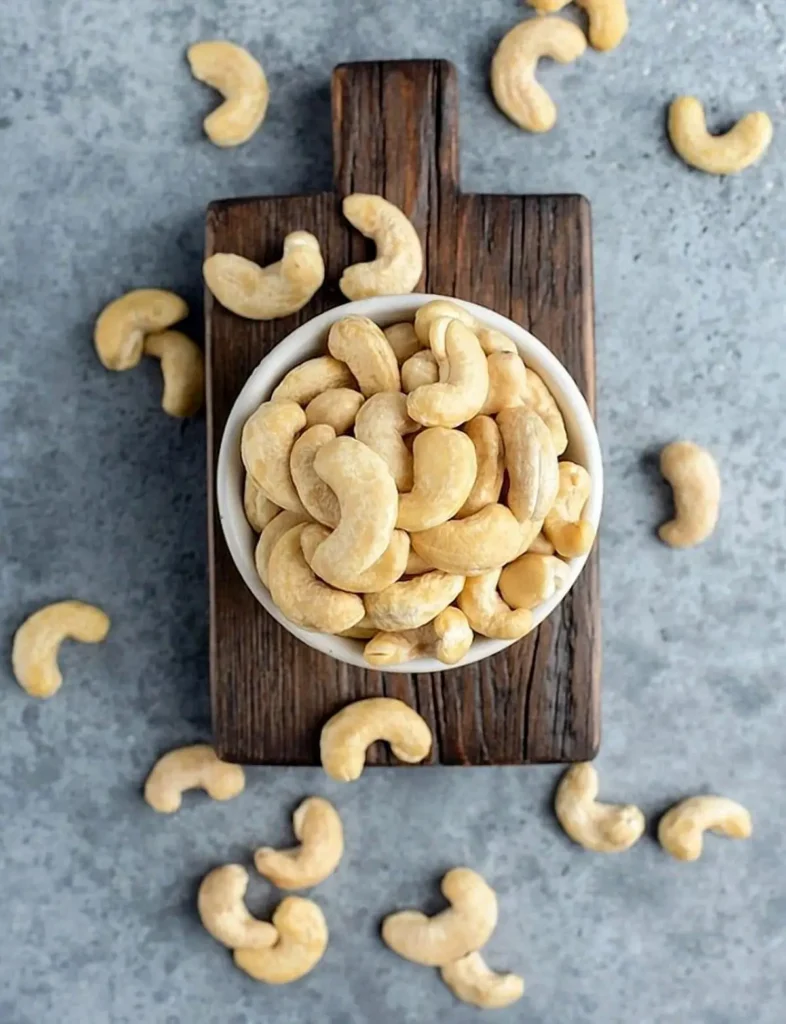
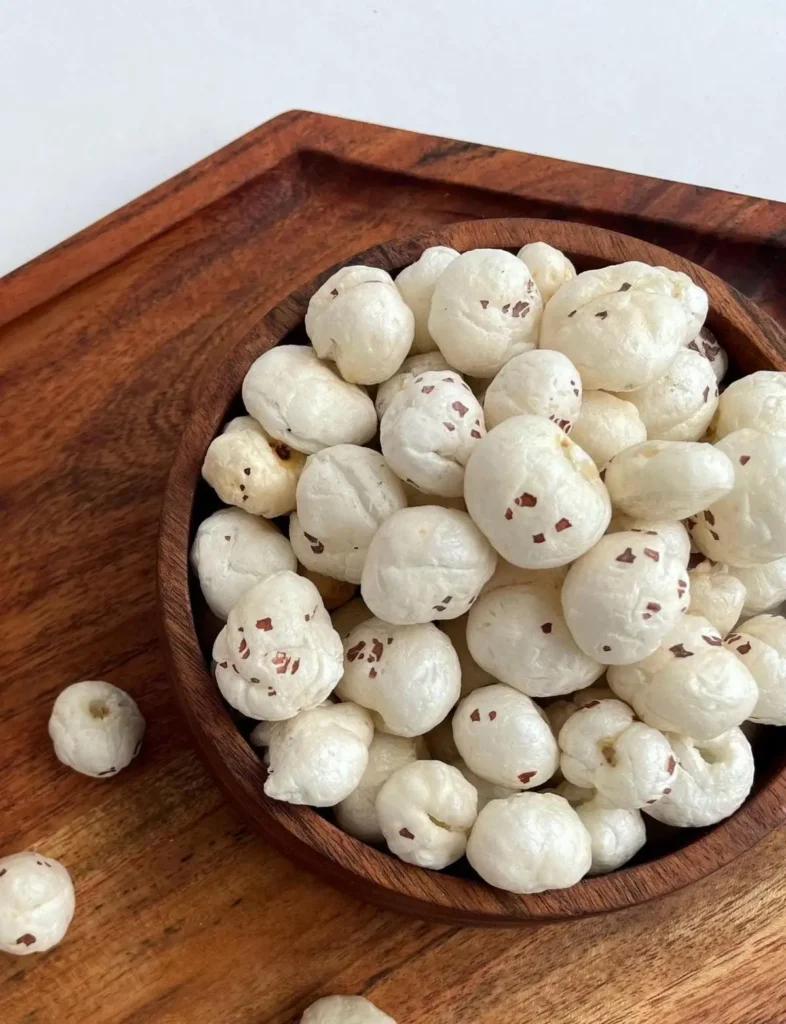
State-of-the-Art Packaging Quality
One of the largest hidden, unrecoverable costs in the food distribution business is early spoilage due to rancidity, oil separation, or moisture ingress. OM Exim Traders addresses this issue by utilizing thick, multi-layered, nitrogen-flushed barrier films that block out harmful UV light and atmospheric oxygen, successfully preserving delicate oils and extending the product’s shelf life up to twelve full months.
Massive Bulk Order Capability
Operating out of major industrial logistics hubs and highly organized processing centers, the company has the physical infrastructure and financial capacity to handle large, commercial-scale orders smoothly. Whether your business needs a single consolidated container for an independent supermarket or regular monthly shipments of multiple container loads for an entire retail chain, they execute orders without production bottlenecks or supply drops.
Integrated UAE Supply Network & Logistics Prowess
The company maintains deep, decades-long operational relationships with primary ocean freight liners, global shipping consortia, and expert customs clearing agents at major Middle Eastern entry points. This includes Jebel Ali Port (Dubai), Port Khalid (Sharjah), and Khalifa Port (Abu Dhabi), ensuring your cargo transitions smoothly from the ocean vessel directly to your warehouse floor without administrative friction.
Competitive Wholesale Pricing & Transparency
By maintaining direct, high-volume contracts with farm-level agricultural processors, spice mills, and raw material suppliers in India, the company bypasses secondary brokers and agents entirely. This financial efficiency is passed directly to the buyer, offering highly attractive margins for businesses looking for reliable namkeen wholesale suppliers UAE partnerships.
Indian Namkeen Export Process
Importing commercial food shipments into the UAE requires strict adherence to a precise legal, administrative, and logistical sequence. Working with an experienced, globally compliant exporter like OM Exim Traders completely simplifies this process. They systematically manage the critical Indian exit documentation while providing step-by-step assistance to your local import entity for a smooth entry clearing.
1. Document Preparation
The trade journey begins with the generation of legally airtight shipping documents. This includes a detailed Commercial Invoice containing precise HS codes, an explicit Packing List detailing net and gross weights, a clean Bill of Lading issued by the ocean carrier, and a verified Certificate of Origin required for preferential tariff checks.
2. Export Inspection and FSSAI Clearances
Before any cargo can legally leave the Indian port, shipments must be validated by the Food Safety and Standards Authority of India (FSSAI). This independent inspection confirms that the processed food batches comply with international hygienic standards, contain only approved food-grade additives, and are entirely safe for human consumption.
3. Phytosanitary and Laboratory Certificates
For specific snack items containing grain components, pulses, peanuts, or specialized seed mixes, specialized health and laboratory analysis certificates are generated. These documents prove the total absence of chemical contaminants, heavy metals, pesticide residues, or biological pathogens like salmonella.
Packaging & Food Safety Standards
The food safety authorities within the UAE—such as the Dubai Municipality Food Safety Department and the Abu Dhabi Agriculture and Food Safety Authority (ADAFSA)—are globally renowned for their strict standards. Non-compliant food shipments are routinely flagged, held at customs, and subjected to costly demurrage fees, mandatory return-to-origin orders, or immediate destruction.
Critical Compliance Rule: Every single commercial consumer item imported into the UAE must feature explicit, indelible bilingual product labeling in both Arabic and English directly printed on the retail packaging.
Mandatory Label Elements for UAE Customs Compliance
OM Exim Traders ensures that all packaging artwork, font sizes, ingredient translations, and nutritional panels are pre-vetted against these exact municipal standards before the manufacturing and packing phase begins. This eliminates the costly labeling mistakes that frequently trip up less-experienced or informal suppliers.
Wholesale Pricing & MOQ
Understanding the financial structure of international food procurement is essential for protecting your business’s bottom line and managing working capital effectively. Wholesale pricing in the B2B food sector is never completely static; it is constantly influenced by a dynamic mix of raw agricultural commodity values (such as edible oils, pulses, and spices), manufacturing energy costs, packaging material pricing, and global ocean freight market rates.
To support both established international hypermarket chains and growing regional independent distributors, OM Exim Traders maintains an adaptive and highly flexible Minimum Order Quantity (MOQ) structure. This operational approach allows buyers to procure mixed product containers—combining various namkeen formulas, papads, and specialty items within a single ocean shipment. This reduces overall capital risk, prevents excess inventory holding costs, and ensures your business can test new product lines without a massive upfront financial commitment.
Logistics & Shipping to UAE
The maritime shipping lane between India’s western coast ports (such as Nhava Sheva / JNPT in Mumbai and Mundra Port in Gujarat) and the UAE’s primary ports is one of the fastest, most predictable, and most efficient trade routes in the world. Typical ocean transit times range from a brief 4 to 7 days, allowing local businesses to practice just-in-time inventory management and achieve rapid stock replenishment.
However, the extreme summer temperatures of the Arabian Gulf pose a significant physical threat to fried, oil-based snacks. Exposure to high heat inside a standard metal container can rapidly accelerate oil breakdown, causing a sour, stale, or rancid taste long before the official expiry date is reached. OM Exim Traders addresses this environmental challenge by utilizing pristine, temperature-regulated container options and coordinating rapid port-to-warehouse cross-docking to fully protect the structural and flavor integrity of every single batch.
How to Choose the Right Supplier
If your procurement team is currently evaluating options to partner with a reliable bulk Indian snacks supplier Dubai company, avoid making critical choices based solely on the lowest initial price quote. A low price often hides bad ingredients or old stock. Use this comprehensive operational checklist to fully verify your prospective supplier’s structural capabilities before signing a contract:
- Verifiable Regulatory Track Record: Ensure the exporter has a clean history of zero major product rejections or customs holds at GCC checkpoints over the past several years.
- Physical Facility Certifications: Verify that their manufacturing and processing facilities hold globally recognized food safety standards, such as ISO 22000, HACCP, or BRC Global Standards.
- End-to-End Transparency: The supplier must provide clear, honest visibility into production lead times, raw material sourcing, batch numbers, and real-time shipping milestones.
- Responsive B2B Support: A dedicated, professional account manager should be assigned to handle your corporate account, offering real-time communication across multiple time zones via WhatsApp, email, or direct calls.
Benefits of Buying in Bulk
Transitioning your business’s supply model from localized secondary wholesale purchasing to direct, factory-level bulk importing yields significant operational, financial, and competitive advantages that can transform your market positioning:
- Substantial Cost Reduction: Sourcing directly via full or half containers removes multiple tiers of middleman margins, local broker fees, and domestic handling charges, instantly lowering your average cost per unit and boosting your net profits.
- Extended Product Freshness: By completely avoiding long, stagnant stays in local third-party distributor warehouses, you receive product batches fresh off the production line, giving your retail customers the longest possible shelf-life window.
- Consistent Supply Stability: Direct contract sourcing protects your business against localized market shortages, keeping your retail shelves filled and your prices stable during peak shopping seasons like Ramadan, Eid, Christmas, and Diwali.
Popular Indian Snack Brand Ecosystem in UAE
The UAE consumer market exhibits an incredibly high level of brand awareness and brand loyalty. Savvy shoppers, particularly families, often look for household names they already know and trust from television, social media, or their home countries. Stocking these recognizable names helps build immediate trust for a new store.
A well-rounded, highly profitable retail strategy involves balancing established market names like a premier Haldiram distributor UAE network or a Bikaji snacks supplier Dubai program alongside high-quality, high-margin independent custom brands. OM Exim Traders excels in this specific space. They provide regional businesses with both popular consumer-favorite flavor profiles and specialized, high-margin private label alternatives. This allows retailers to build long-term brand equity, set their own retail prices, and avoid direct price wars with neighboring supermarkets.
Future of Indian Snack Business in UAE
The commercial future for traditional Indian savories and namkeens in the Middle East looks incredibly bright and financially rewarding. As the UAE continuously expands its national infrastructure, builds massive new urban residential developments, and attracts millions of global tourists and professionals annually, the food service, hospitality, and retail grocery sectors will grow in tandem.
Furthermore, we are observing a significant, permanent market shift toward healthier snacking variations. Modern consumers are increasingly seeking out baked khakhra, low-sodium roasted pulses, oil-free millet-based namkeen mixtures, quinoa puffs, and gluten-free lentil chips. Forward-thinking food businesses that partner with an innovative, adaptive supplier like OM Exim Traders will be uniquely positioned to capture this emerging, premium market share. They can achieve this by offering authentic, traditional tastes reimagined for today’s wellness-conscious consumer, ensuring steady business growth for decades to come.
Frequently Asked Questions (FAQs) about Best Indian snacks suppliers in UAE
When sourcing from premium exporters like OM Exim Traders, the average shelf life for traditional namkeens, mixtures, and extruded snacks ranges from 9 to 12 months. This extended freshness is achieved because the products are packaged immediately after production using high-barrier, multi-layered aluminum foils and food-grade nitrogen gas flushing. This advanced process displaces oxygen, preventing oil oxidation and rancidity, allowing UAE retailers to safely manage their inventory turnover over a longer window without worrying about stock spoilage.
All commercial food products must be registered through Dubai Municipality’s online portal (Montaji) before they can be legally imported and distributed. Established Indian snacks wholesalers UAE networks assist local buyers by providing all the necessary factory-end documentation. This includes complete ingredient breakdowns, manufacturing workflow charts, laboratory analysis certificates, and high-resolution packaging artwork. Partnering with a seasoned exporter ensures that your product applications pass the municipal review on the first attempt, preventing costly administrative delays.
In the international B2B food trade ecosystem, standard payment structures typically involve an initial advance deposit (ranging from 30% to 50%) via Telegraphic Transfer (T/T), with the remaining balance settled against scanned copies of the original shipping documents and the Bill of Lading (B/L). For high-volume, long-term corporate clients who have established a consistent trading history, flexible financial arrangements such as Irrevocable Letters of Credit (L/C) can be structured to facilitate smoother working capital cycles.
Yes, top-tier exporters like OM Exim Traders possess the manufacturing flexibility to adjust spice levels, salt content, and oil bases to match specific regional target markets. Whether your UAE business requires a low-sodium version of a classic mixture for health-conscious health clubs or an extra-spicy blend designed for industrial catering setups, a dedicated bulk Indian snacks supplier Dubai can develop custom white-label formulations tailored to your exact corporate product specifications.
Delicate, brittle snacks like handmade khakhras and papads require specialized, heavy-duty export packaging to survive long-distance maritime transport. Reliable Indian food distributors UAE protect these items by utilizing rigid, five-ply corrugated master cartons fitted with internal bubble wraps, heavy edge protectors, and custom partition boards. Furthermore, during container loading at the port, these light, fragile boxes are strategically placed on top of heavier namkeen pallets to completely eliminate crushing forces and structural damage.
The UAE food safety authorities monitor retail shelves very closely. If an enforcement agency finds imported snack products lacking proper bilingual (Arabic/English) labels, clear allergen declarations, or correct production dates, the penalties can be severe. Local municipal inspectors may issue heavy financial fines to the local distributor, order an immediate recall of all distributed batches from retail shelves, or confiscate and destroy the entire inventory at the importer’s expense. Working with an experienced supplier completely eliminates this compliance risk.
Importing a mixed container is highly beneficial for mid-sized supermarkets and growing distribution businesses across the UAE. Instead of locking up a massive amount of capital in a single product type (like 20 tons of Bikaneri Bhujia), a mixed container allows you to split the space among various mixtures, chips, papads, and festive sweets. This sourcing method minimizes your upfront capital risk, reduces warehouse storage footprints, and lets you offer a highly diverse product catalog that aligns perfectly with shifting consumer purchasing trends.
Yes, large-scale manufacturing exporters like OM Exim Traders offer comprehensive private labeling and white-label contract manufacturing solutions. This B2B service allows UAE hypermarket chains and independent grocery brands to sell premium quality Indian savories under their own house brand names. The supplier manages everything from raw ingredient sourcing and processing to custom pouch printing, giving retailers the opportunity to build long-term brand equity and enjoy much higher net profit margins.
Ocean freight rates are inherently volatile and fluctuate based on global fuel surcharges, container availability, and seasonal demand peaks. Because shipping costs directly impact the Landed Cost of your inventory, professional Indian grocery suppliers UAE work with long-term freight forwarding contracts to lock in stable shipping rates. This proactive approach helps protect regional buyers from sudden price spikes and allows local supermarkets to maintain stable retail pricing on their shelves.
In the rare event that cargo arrives with physical damage or moisture exposure, the local importer must act immediately before moving the goods from the port area. First, take high-resolution photos and videos of the container seals and the damaged pallets inside the vessel. Next, file an official commercial protest with the shipping line and request an independent joint insurance survey at the port. Professional exporters like OM Exim Traders secure comprehensive marine transit insurance for all international shipments, ensuring that valid claims are processed smoothly and financial losses are fully recovered.
Explore More
Order Now
+91 9040030306
info@omeximtraders.com