Makhana Supplier for Supermarkets in USA
Home > Makhana Supplier for Supermarkets in USA
Makhana Supplier for Supermarkets in USA: Complete Buyer's Guide
A reliable makhana supplier for supermarkets in USA needs to deliver more than good product — retail-ready packaging with UPC barcode and nutrition facts panel, consistent grading batch to batch, FDA and HACCP documentation, and case-pack quantities that fit standard grocery logistics. Supermarket buyers evaluate a new vendor differently than a distributor or private label brand would, since shelf space, slotting fees, and planogram fit all factor into the decision alongside price. This guide covers exactly what supermarket category managers look for in a makhana supplier for supermarkets in USA, how the retail approval process works, and what it costs to get shelf-ready product supplied at scale.
For a wider look at general sourcing criteria across the US market beyond retail specifically, our guide on Wholesale Makhana Supplier in United States covers the fundamentals that apply to distributors and private label brands as well.
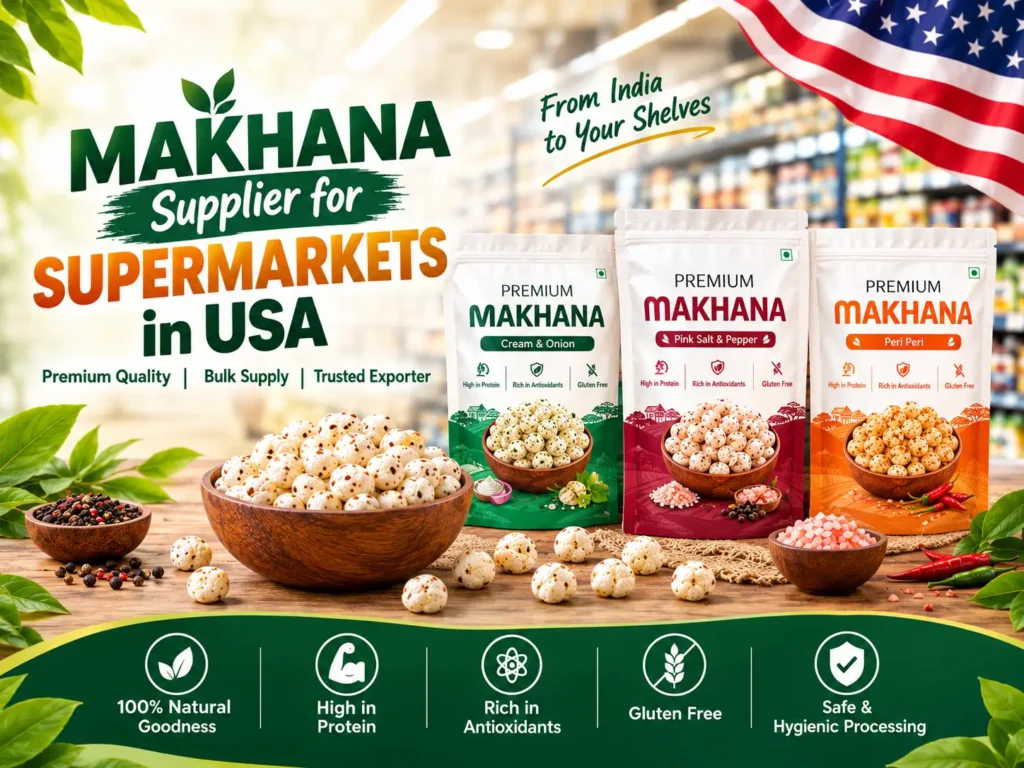
What Do Supermarket Buyers Look for in a Makhana Supplier?
Supermarket procurement teams — often working with a category manager responsible for the snack aisle — evaluate a prospective supplier against a fairly consistent set of criteria, regardless of chain size.
FDA and HACCP Compliance
Any makhana supplier for supermarkets in USA needs current FDA Food Facility Registration and HACCP or ISO 22000 certification before a category manager will even consider a vendor meeting. Retail buyers typically request documentation upfront as part of a standard vendor onboarding packet, rather than waiting until after a purchase order is placed.
Consistent Grading and Shelf Life
Grocery retailers need predictable product — a supplier whose grade or moisture content varies noticeably from shipment to shipment creates shelf-appearance inconsistency that shoppers notice and buyers dislike. A shelf-stable snack with a clearly stated 12–18 month shelf life is what most category managers expect as a baseline, since it fits standard grocery inventory cycles without special handling.
Retail-Ready Packaging and UPC Barcode
The United States is witnessing a paradigm shift in eating habits, with more consumers demanding nutrient-dense, plant-based, and sustainable snacks. Makhana, once an unknown food in America, is quickly emerging as a popular choice, thanks to its health benefits and versatility. This rising demand isn’t accidental—it is the direct result of shifts in consumer preferences, dietary awareness, and the influence of global wellness trends.
Healthy Snacking Trends in USA
Bulk export bags aren’t usable on a supermarket shelf. A supplier needs to provide retail-ready pouches with a printed nutrition facts panel, ingredient list, and a scannable UPC barcode registered through GS1 — the standard barcode system nearly all US grocery chains require for point-of-sale and inventory systems.
Reliable Case-Pack and Reorder Capability
Supermarkets order in case packs (commonly 12, 24, or similar unit counts per case) rather than by loose weight, and they expect predictable reorder turnaround once a product is on shelf. A supplier for supermarkets in USA needs to demonstrate they can sustain regular reorders at the case-pack level, not just fulfill a single large one-time bulk order.
Why These Criteria Matter More Than Price Alone
It’s a common misconception among new suppliers that the lowest price wins a supermarket account. In practice, a category manager is far more concerned with vendor reliability — will this makhana supplier for supermarkets in USA still be delivering consistent product and hitting reorder deadlines a year from now — than with shaving a few cents off unit cost. A supplier who checks every box above but prices slightly higher than a competitor typically beats a cheaper vendor with incomplete documentation or inconsistent grading, since a failed vendor relationship costs the retailer far more in lost shelf productivity than the price difference ever would.
What Makes Makhana a Good Fit for the Supermarket Snack Aisle?
Beyond supplier logistics, it helps to understand why makhana specifically has earned shelf space in the health food aisle and broader snack category at a growing number of US supermarkets.
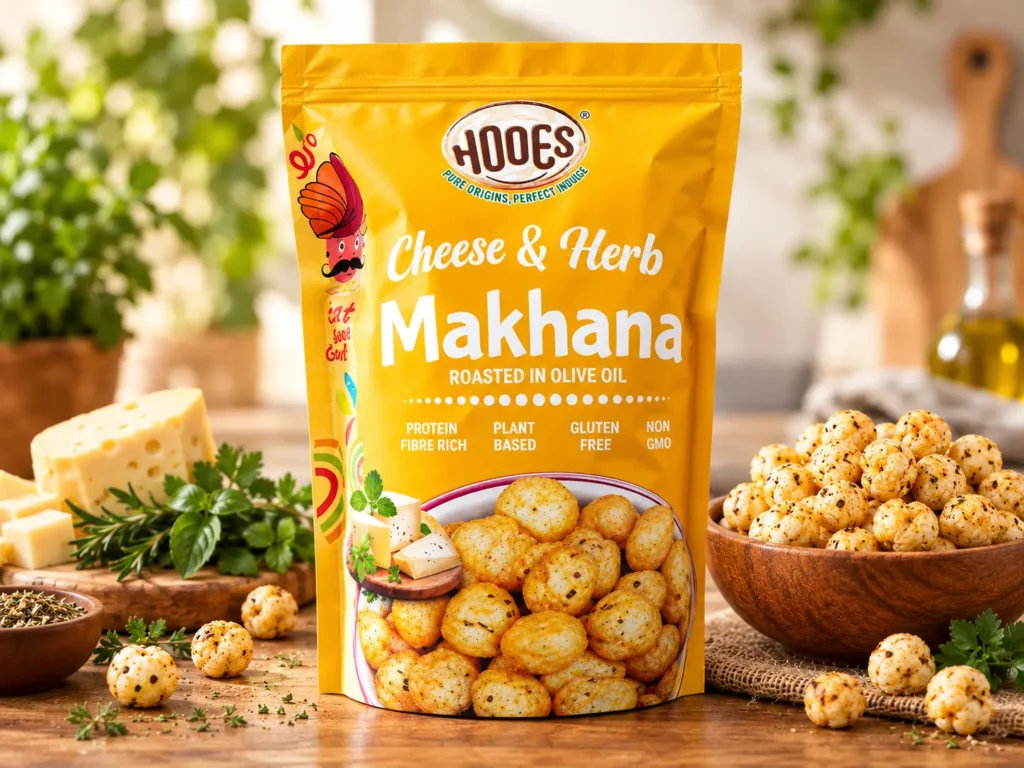
Cheese and Herb Makhana Roasted in Olive Oil — What Makes This Flavor Work
Cheese and herb roasted-in-olive-oil is one of the stronger flavor executions for makhana entering the US snack market, combining a few specific claims that resonate with health-conscious retail shoppers: protein and fibre content, a plant-based positioning, gluten-free status, and non-GMO sourcing. Roasting in olive oil rather than frying keeps the product in the better-for-you snack category, while the cheese and herb seasoning gives it a familiar flavor profile — closer to a ranch or herb-cracker taste — that makes it an easier entry point for shoppers trying makhana for the first time.
For a private label brand or retailer evaluating this flavor, the label claims worth confirming with any manufacturer before production are: protein/fibre content backed by an actual nutrition panel, gluten-free status verified against cross-contamination risk during processing, and non-GMO sourcing documentation if that claim will appear on final retail packaging — since each of these is a specific, verifiable claim rather than a general marketing statement, and retail buyers increasingly expect supporting documentation for exactly this kind of label claim.
Health and Dietary Positioning
Makhana fits cleanly into the gluten-free snack aisle and the broader healthy snack category, since it’s naturally low in calories and higher in plant protein than most conventional chips or crackers. This positioning is a large part of why category managers have been willing to test the product in stores that previously had no puffed-lotus-seed snack on shelf at all.
Category Growth Trends
Puffed and popped snacks as a category — popcorn, puffed lentils, and makhana among them — have grown faster than traditional chip categories in recent years, largely on protein and better-for-you snacking trends. Industry research from FMI – The Food Industry Association tracks these shifting grocery shopper preferences annually, and this growth trajectory is part of what makes a category manager willing to allocate shelf space to a relatively newer entrant like makhana.
Where Makhana Typically Gets Placed on Shelf
Most retailers place makhana in one of three spots: the dedicated health/gluten-free snack section, the broader chips-and-crackers aisle alongside other puffed snacks, or occasionally an ethnic/international foods section if the retailer doesn’t yet have an established health-snack category. Where a product lands often has as much to do with how a supplier or brand frames the pitch as it does with the product itself — positioning makhana as a mainstream better-for-you snack, rather than as a specialty ethnic item, tends to open up broader shelf placement and a larger potential customer base within a given store.
How Does a Makhana Supplier Get Onto Supermarket Shelves?
Understanding the retail procurement process helps a supplier — or a brand working with a supplier — approach the right people the right way.
Working With a Category Manager
Most supermarket chains route new vendor decisions through a category manager responsible for the snack or health food aisle specifically. This person evaluates new products against existing planogram space, category performance data, and margin expectations — a cold pitch with no supporting sales or category data typically gets far less traction than one backed by trial-store performance or distributor sell-through numbers.
Understanding Slotting Fees
Many chains, particularly larger national ones, charge slotting fees — a payment from the vendor or brand to secure shelf placement — which can range from a few hundred to several thousand dollars depending on chain size and shelf position. Smaller regional and specialty grocery chains are often more willing to waive or reduce slotting fees for a promising new product, which is one reason many makhana brands start with regional placement before pursuing larger national accounts.
Planogram Fit and Shelf Space
A planogram is the retailer’s map of exactly which product goes where on a given shelf — and a new product needs to fit an existing category slot (health snacks, ethnic foods, or the broader chip-and-cracker aisle) rather than requiring the retailer to create an entirely new section. Suppliers who can show how their product fits a category the retailer already stocks tend to move through approval faster than those pitching an entirely new shelf category.
Sample Submission and Vendor Approval
Most chains require a formal vendor approval process — submitting samples, certificates of insurance, FDA and HACCP documentation, and often a trial period at a small number of stores before a wider rollout. This process can take anywhere from a few weeks for a smaller regional chain to several months for a large national account with a formal vendor review committee.
What Happens During a Trial Placement
A trial placement typically runs at a small number of stores — sometimes as few as five to ten locations — over a defined period, often 8 to 12 weeks, during which the retailer tracks sell-through rate against a minimum performance threshold. A supplier who performs well during this trial period is usually rolled out to additional stores in subsequent buying cycles, while one that underperforms may be discontinued before ever reaching a wider chain-level commitment. This is one more reason having a distributor or regional presence with some existing sales history before approaching a trial placement significantly improves the odds of a successful outcome.
What Packaging Format Works Best for Supermarket Shelves?
Packaging requirements for supermarket placement differ meaningfully from bulk or food-service packaging, and getting this wrong is a common reason a promising product stalls at the vendor-review stage.
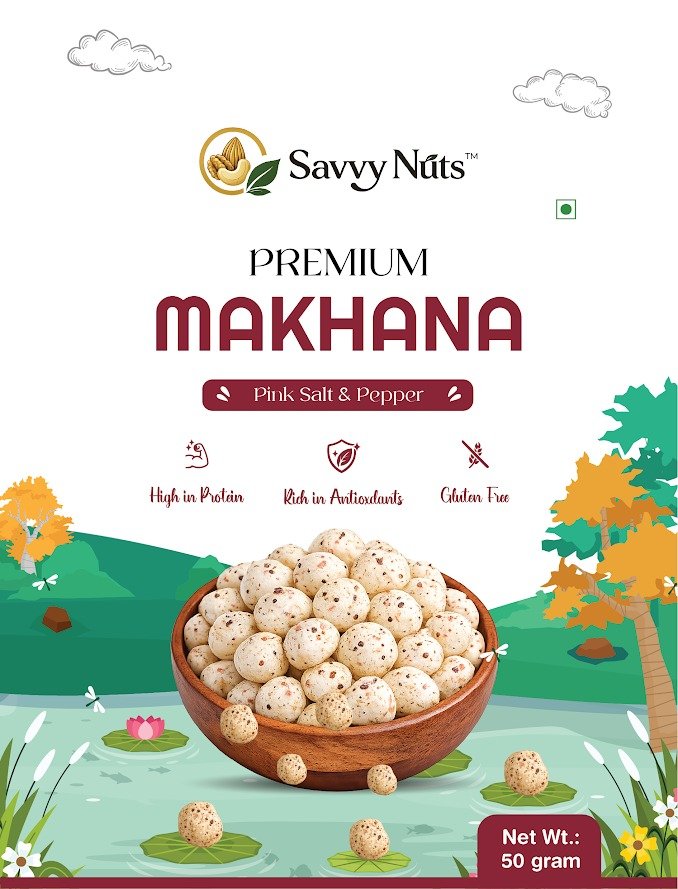
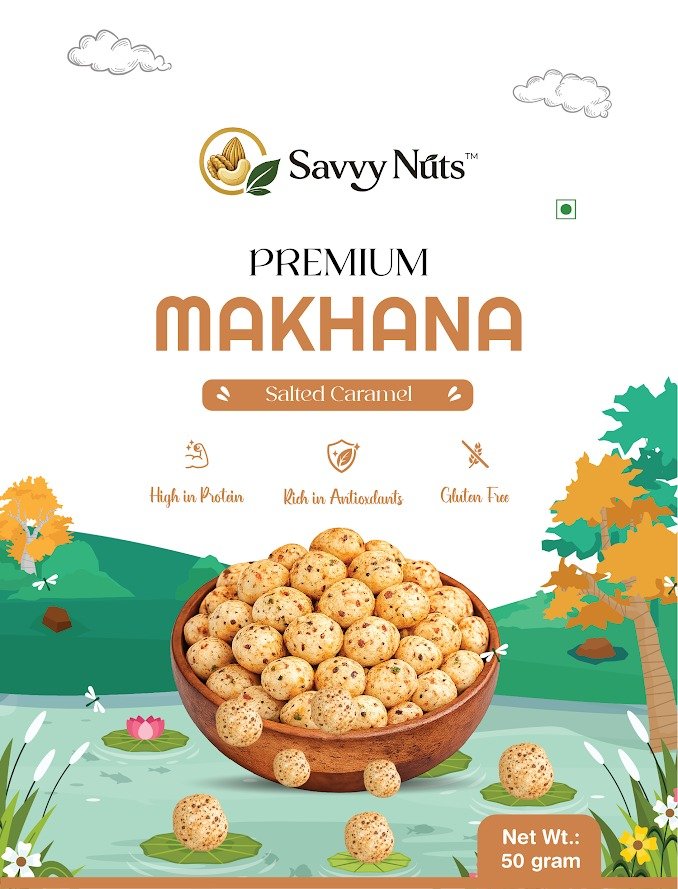
Retail Pack Sizes
Standard supermarket retail packs typically range from 4–8 oz for a snack-aisle placement, with larger family-size bags less common for makhana specifically given its relatively premium positioning compared to conventional chips.
Case Pack and Inner Pack Requirements
Retailers expect a standard case pack — commonly 12 to 24 retail units per case — with a clearly labeled inner pack or master carton that scans correctly at the distribution center level, separate from the individual retail unit’s UPC barcode.
UPC Barcode and Nutrition Facts Panel
A GS1 US-registered UPC barcode and an FDA-compliant nutrition facts panel are non-negotiable for supermarket placement — without both, a product simply cannot be scanned or legally sold on a US grocery shelf, regardless of how strong the product itself is.
National Chains vs Regional and Specialty Supermarket Chains — What's Different?
Not every supermarket account works the same way, and understanding the differences helps a supplier prioritize where to focus first.
National Brand vs Store Brand (Private Label) Placement
A supplier can pursue two distinct paths with the same retailer: placement as a national brand (the supplier’s own branded product on shelf) or as a store brand / private label product manufactured for the retailer’s own label. Store brand placement often comes with lower margin per unit but a more predictable, higher-volume order once approved, since the retailer is essentially guaranteeing shelf space for its own label. Brands specifically evaluating the private label route rather than a national-brand pitch may find our dedicated guide on Private Label Makhana Manufacturer for USA Brands useful for understanding MOQ, custom flavor, and packaging requirements specific to that path.
Regional Chain Considerations
Regional supermarket chains typically have shorter approval timelines and lower slotting fees than national chains, making them a practical starting point for a newer makhana supplier still building a retail sales track record.
Specialty and Health Food Supermarket Considerations
Specialty and health-food-focused grocery chains often have category managers specifically looking for exactly this kind of product — gluten-free, plant-protein snacks — which can make the pitch conversation more receptive than at a conventional mainstream chain, even if the total volume opportunity is smaller.
What's the Pricing and MOQ for Supermarket Bulk Orders?
Pricing follows the same grade-based structure seen across the broader US makhana market, though supermarket orders come with retail packaging costs layered on top of the raw grade price.
Grade | Price Range (FOB, per kg) | Typical Retail Use |
4+ SUTA (Standard) | $5 – $7 | Value-tier retail packs |
5+ SUTA (Good) | $7 – $10 | Standard shelf packs |
6+ SUTA (Premium) | $10 – $13 | Premium/health-aisle packs |
Jumbo (7+ SUTA) | $13 – $18+ | Specialty/gift-tier packs |
MOQ for Retail-Ready Orders
Because retail packaging (printed pouches, barcodes, case cartons) requires a production run, MOQ for a retail-ready order is typically higher than a plain bulk order — commonly starting around 1,000–2,000 units per SKU to make the packaging run cost-efficient.
A Practical Cost Example for a Retail Order
On an order of 2,000 retail units (6 oz pouches) at a mid-tier grade, product cost typically runs $7–$10/kg FOB, with retail packaging, printing, and barcode registration adding roughly $0.75–$1.50 per unit on top — a cost structure worth mapping against expected retail price and margin before committing to a production run.
Why Packaging Cost Matters More at Retail Scale
Unlike a bulk order where packaging is a minor line item, a retail-ready SKU’s packaging cost is a meaningful share of total unit cost, which is why suppliers serving supermarkets typically quote per-unit retail pricing rather than a simple per-kg bulk rate.
Note on Slotting Fees in the Cost Equation
Any slotting fee paid to secure shelf placement should be factored into the overall cost of entering a given retail account, separate from the product and packaging cost itself.
What Certifications and Documentation Do Supermarket Buyers Require?
Retail vendor onboarding tends to require more documentation upfront than a simple wholesale transaction, since the retailer is taking on liability by putting a new product on its shelves.
Standard Documentation Checklist
- FDA Food Facility Registration
- HACCP or ISO 22000 certification
- Certificate of insurance (product liability coverage)
- Nutrition facts panel matching FDA labeling requirements
- GS1-registered UPC barcode
- Allergen statement and ingredient list
Why This List Is Longer Than a Wholesale Transaction
A distributor or private label brand buying bulk product for their own resale takes on much of this compliance responsibility themselves. A supermarket, by contrast, is putting a specific finished retail product directly in front of consumers under its own roof, which is why retail vendor onboarding checklists tend to be more thorough than a standard wholesale purchase order. For suppliers importing directly from India rather than sourcing through a domestic distributor, it’s also worth confirming FDA Prior Notice has been filed correctly for each shipment, since this is a separate requirement from the domestic certifications listed above and applies specifically to the import stage before product ever reaches a retail vendor review.
How Retailers Verify Documentation
Larger chains increasingly use third-party vendor compliance platforms to collect and verify supplier documentation electronically, rather than accepting paper certificates handed over at a buyer meeting. Smaller regional chains and specialty grocers may still handle this manually through a category manager or buyer directly, but the trend across the industry is toward centralized digital vendor onboarding, which means having documentation in a clean, easily uploadable digital format is worth preparing in advance of any formal pitch.
How to Pitch Your Product to a Supermarket Category Manager
For suppliers or brands preparing an actual retail pitch, a few elements consistently improve the odds of a productive conversation.
What to Include in a Sell Sheet :
- Clear product positioning within an existing category (health snacks, ethnic foods, etc.)
- Nutrition facts and any relevant dietary claims (gluten-free, plant protein)
- Case pack size, unit cost, and suggested retail price with margin
- Any existing sell-through data from other retail or distributor placements
- Certifications and documentation readily available on request
Common Reasons Buyers Decline a New Vendor:
- Missing or incomplete FDA/HACCP documentation at the pitch stage
- No clear category fit within the retailer’s existing planogram
- Case pack size or packaging format that doesn’t match standard retail logistics
- No sell-through data or track record to support a shelf-space decision
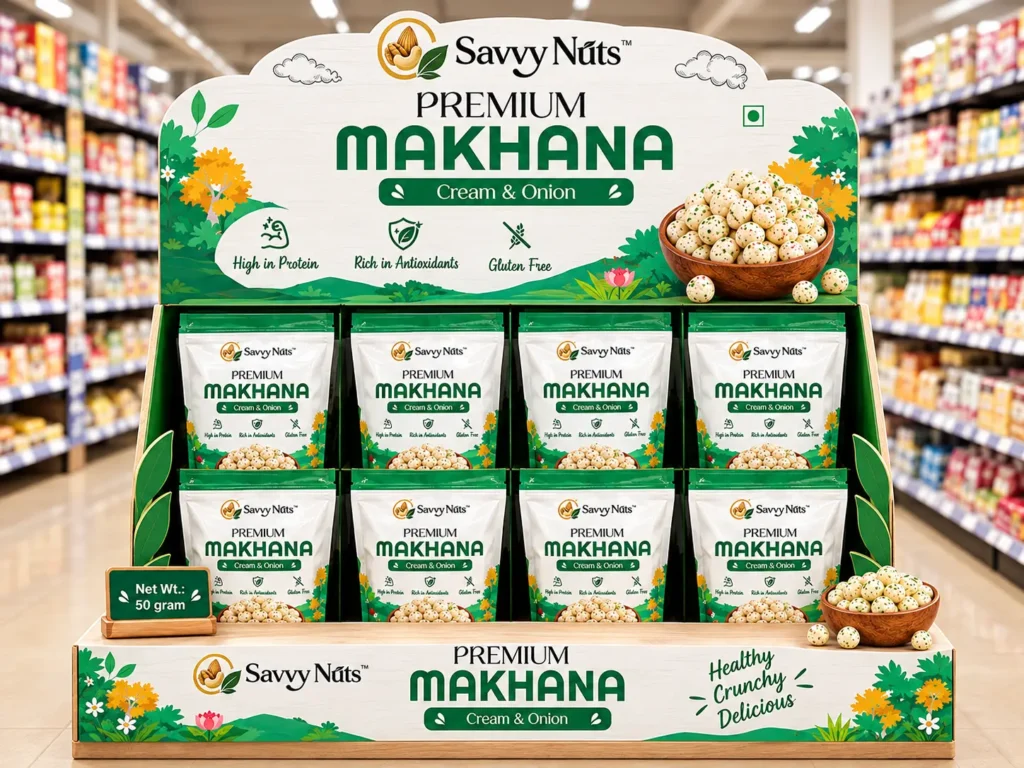
Working with a Distributor to Reach Supermarkets Indirectly
Not every supplier pitches supermarkets directly — going through an established food distributor already carrying accounts with multiple chains is a common and often faster alternative path to shelf placement.
How the Distributor Route Works
Rather than pitching individual category managers one chain at a time, a supplier sells in bulk to a regional or national food distributor, who then handles placement, delivery, and reordering across their existing retail accounts. This trades some margin and brand control for significantly faster market access, since the distributor typically already has vendor-approved status and existing shelf relationships with the chains a new supplier would otherwise need to approach individually.
When the Distributor Route Makes More Sense Than a Direct Pitch
This path tends to work best for suppliers without an existing sales team or retail-pitch experience, or for those prioritizing broad, fast distribution over maximizing per-unit margin on a smaller number of accounts. A direct-to-retailer pitch generally makes more sense once a supplier has built some track record — whether through distributor sales, e-commerce, or a smaller regional placement — that can support a stronger sell-through case in a category manager meeting.
Combining Both Approaches Over Time
Many successful makhana brands in the US market use a hybrid approach: starting with distributor placement to build initial sales volume and shelf presence, then approaching larger national chains directly once that track record exists, sometimes maintaining both distributor relationships and direct retailer accounts simultaneously as the brand scales.
Common Mistakes Suppliers Make When Approaching Supermarkets
A handful of recurring issues account for most of the friction suppliers run into when trying to place makhana in supermarket accounts.
Mistakes to Avoid
- Pitching bulk export packaging instead of a finished, barcoded retail-ready product
- Approaching a national chain first without a regional or specialty-store track record
- Underestimating slotting fees and packaging costs when pricing a retail SKU
- Not having FDA, HACCP, and insurance documentation ready before the first buyer meeting
- Committing to a large retail production run before a trial-store period confirms sell-through
Why a Slower, Regional-First Approach Often Wins
The suppliers who succeed with US supermarket placement most consistently tend to be the ones who resist the temptation to pitch the largest national chain first. Building sell-through data and vendor-relationship history with one or two regional chains, then using that track record to approach larger accounts, is a slower path but a substantially more reliable one than attempting to skip straight to a large national vendor review process with no retail history to point to.
Why Choose Om Exim Traders as Your Makhana Supplier for Supermarkets?
Supermarket vendor approval moves faster when a supplier already has the documentation and packaging capability retail buyers expect, rather than needing to build it from scratch after a category manager asks for it.
Direct Sourcing for Consistent Retail Grading
Om Exim Traders sources makhana (fox nuts) directly from farm networks in Bihar, which keeps grading and shelf appearance consistent from one production run to the next — a detail that matters more at retail scale than in a one-off bulk order, since supermarket shoppers notice inconsistency on shelf in a way a bulk buyer typically doesn’t.
Documentation Ready for Vendor Onboarding
Every shipment is backed by HACCP-certified processing and full grading documentation, which covers most of what a retail vendor onboarding packet requires upfront — reducing the back-and-forth that otherwise slows down a category manager’s approval timeline.
Retail-Ready Packaging and Private Label Support
Retail-ready pouch formats, case-pack configuration, and private label branding are all supported, so a supplier or brand can move from a bulk sample straight through to a shelf-ready SKU without switching vendors partway through the process. This matters especially for a brand still deciding between a national-brand pitch and a store-brand proposal, discussed earlier in this guide, since both paths can be supported from the same underlying product and grading without needing to renegotiate a separate sourcing relationship for each option.
Support Across the Whole Retail Journey
From initial sample and vendor documentation through to case-pack production and reorder fulfillment once a product is on shelf, the goal is to remove as many of the logistics variables covered throughout this guide as possible from a supplier’s or brand’s plate — so the actual retail pitch and category manager relationship stay the primary focus rather than chasing down documentation or packaging fixes mid-negotiation.
Get a Retail-Focused Quote
If you’re preparing a supermarket pitch or vendor application, reach out for a quote tailored to retail-ready packaging and case-pack requirements rather than a standard bulk quote. Working with an experienced makhana supplier for supermarkets in USA from the start of the vendor-approval process tends to shorten the overall timeline noticeably compared to switching suppliers midway through a category manager’s review.
Frequently Asked Questions
FDA and HACCP documentation, consistent grading, retail-ready packaging with a UPC barcode, and reliable case-pack reorder capability are the core requirements most category managers check first.
Beyond product and packaging cost (roughly $7–$13/kg plus $0.75–$1.50 per retail unit for packaging), slotting fees can range from a few hundred to several thousand dollars depending on chain size and shelf position.
Retail-ready orders typically start around 1,000–2,000 units per SKU, since a packaging and printing production run needs enough volume to be cost-efficient.
Yes — a GS1-registered UPC barcode is required for any product to be scanned and sold through standard US grocery point-of-sale systems.
National chains typically have longer approval timelines and higher slotting fees, while regional and specialty chains often have faster approval and more flexibility for a newer product.
Yes — many retailers accept private label / store brand proposals alongside national brand pitches, often with lower per-unit margin but more predictable order volume.
FDA Food Facility Registration, HACCP or ISO 22000 certification, product liability insurance, and FDA-compliant nutrition labeling are the standard requirements.
Regional chains can approve a new vendor in a few weeks, while larger national chains with a formal vendor review process can take several months.
Suppliers without an existing sales track record often start with a distributor for faster market access, then pursue direct retailer pitches once they have sell-through data to support the conversation.
Retail-ready packaging refers to any finished, barcoded, shelf-legal product regardless of whose name is on it; private label specifically means that product is manufactured under the retailer's own store brand rather than the supplier's brand.
Order Now
+91 9040030306
info@omeximtraders.com